PACCI at the Asia Pacific Summit for Refugees
May 17 - 19, 2024
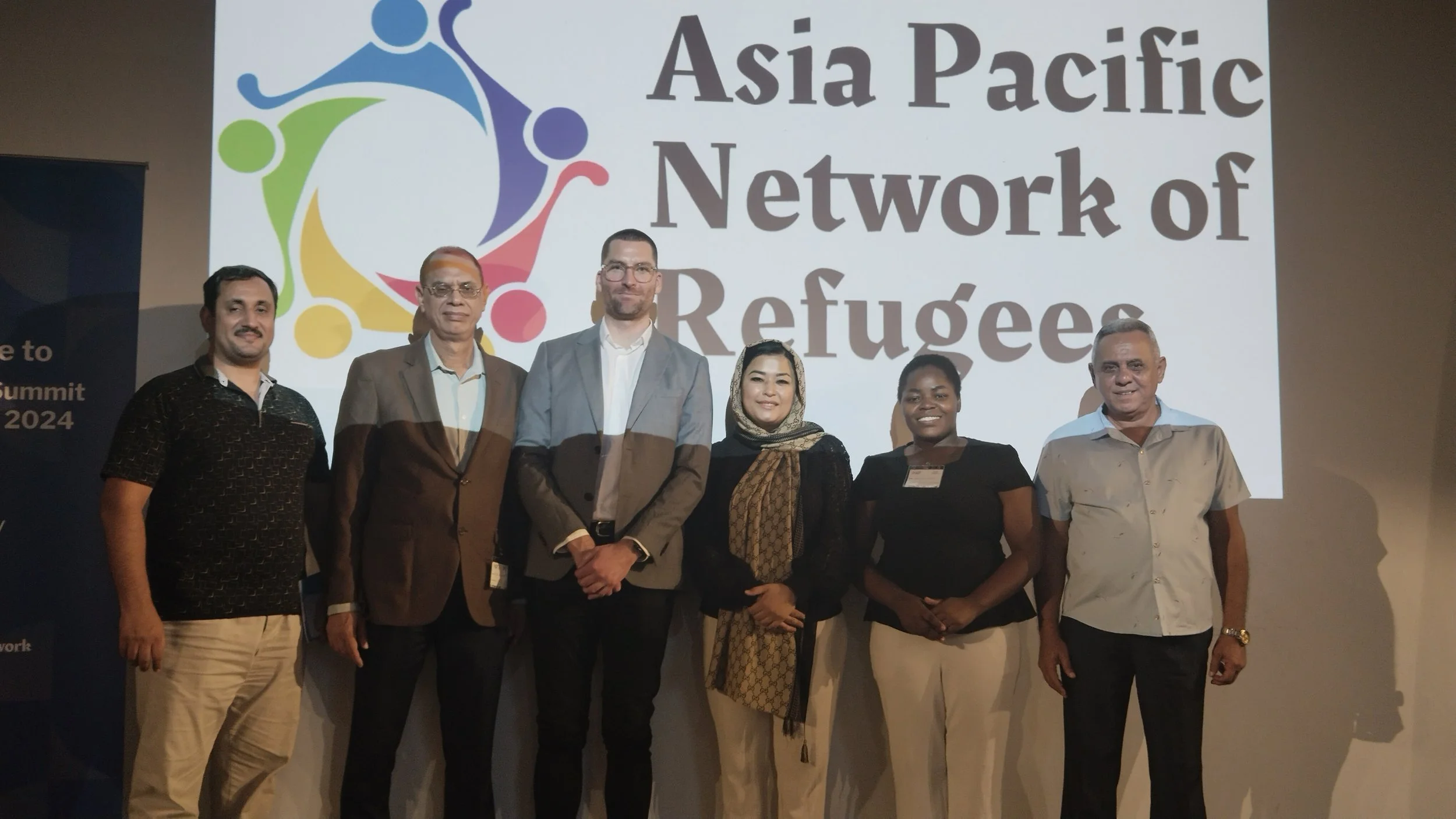
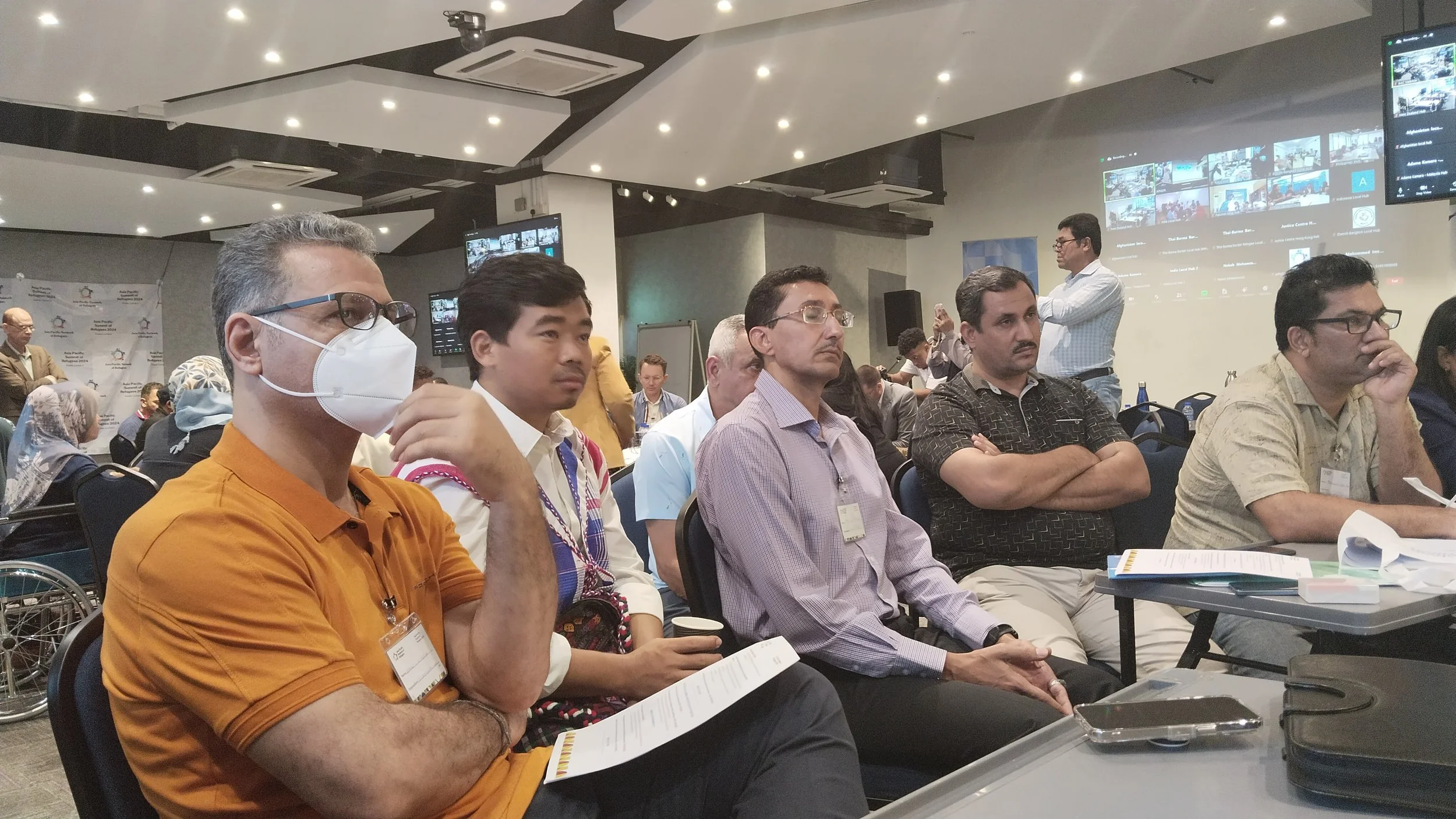
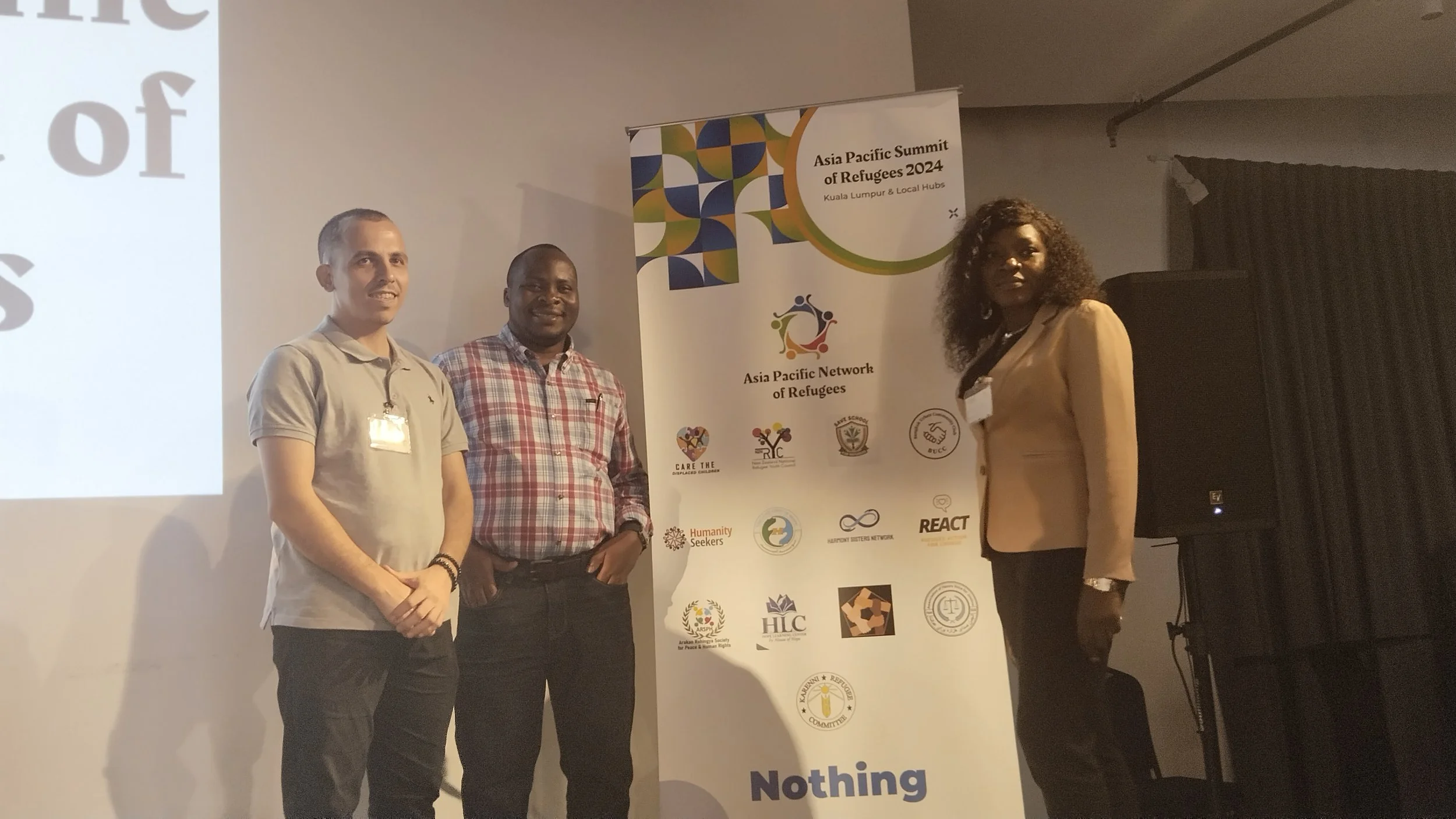
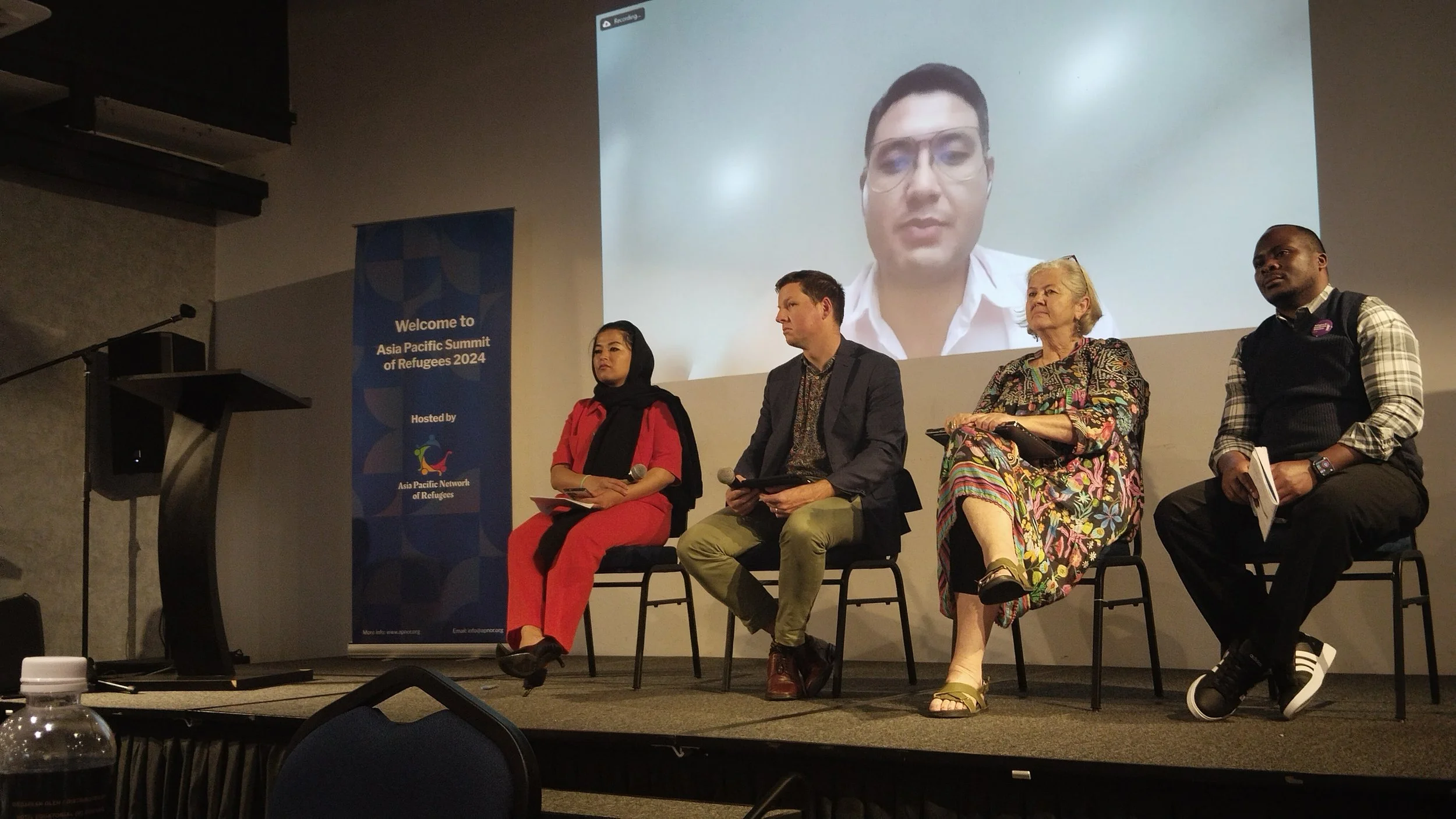
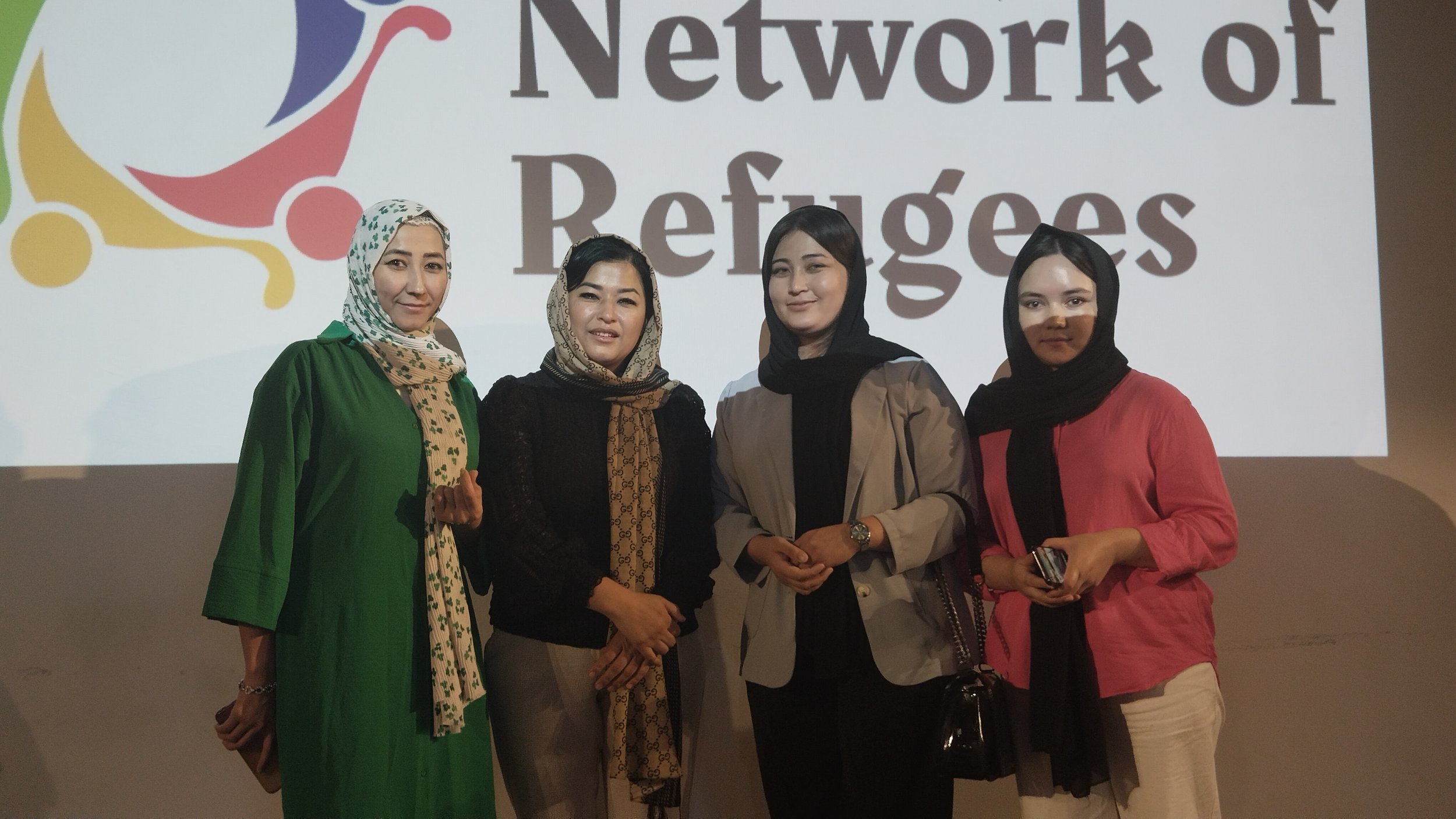
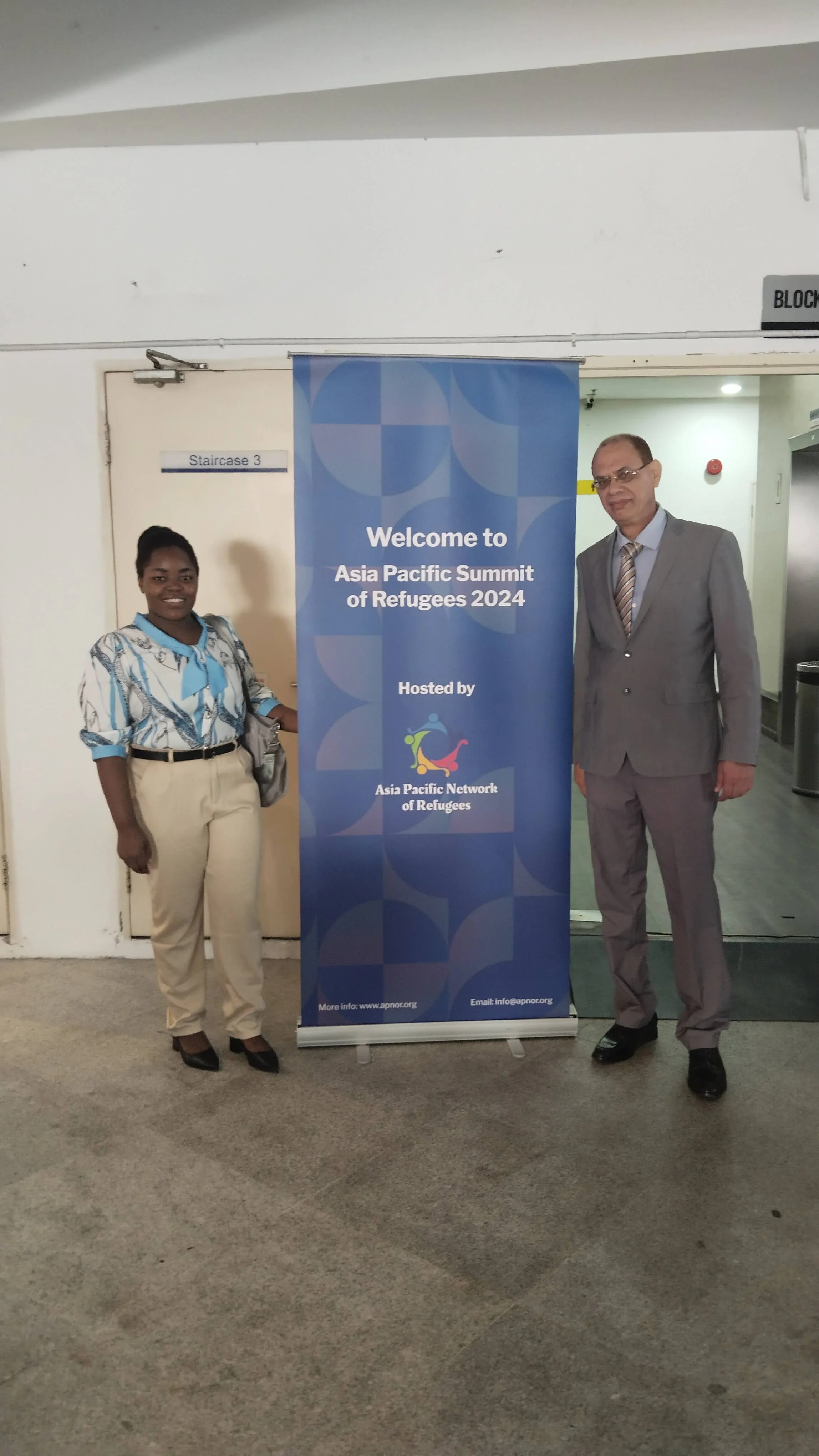
From May 17 to 19, 2024, PACCI was invited to participate in The Asia Pacific Summit of Refugees (APSOR), organized by the Asia Pacific Network of Refugees (APNOR). This event served as a beacon of hope and collaboration, dedicated to finding sustainable solutions to the challenges faced by refugees and refugee-led organizations in the Asia Pacific region. As they gathered for this biannual event, APNOR aims to amplify the voices of refugees, foster dialogue, and forge partnerships that transcend borders, promoting inclusivity and resilience.
PACCI was simultaneously connected to 13 other national hubs, namely: (Indonesia, Malaysia, Hong Kong, Japan, Philippines, Bangladesh, Thai-Burma Border and Bangkok, Afghanistan, Pakistan, New Zealand, Australia, and India) across Asia to increase engagement and inclusivity for refugees who were unable to travel.
Key Objectives
Fostering Collaboration: APSOR 2024 aimed to facilitate robust collaboration among refugee individuals, refugee-led organizations, and stakeholders across the Asia Pacific region. By fostering an environment of trust and cooperation, they sought to harness collective expertise and resources to address the multifaceted challenges faced by refugees.
During this event, key issues and pressing needs for refugee communities that were prioritized included agency and inclusion, safety, security and shelter, legal issues, education, resettlement, healthcare, and funding. The discussions focused on the small and big changes they hope to see in refugee policy at national, regional, and global levels. Under opportunities for engagement, they realized that refugees in the Philippines are more privileged than those in some other Southeast Asian countries.
For example: The Philippines is a signatory of the 1951 Geneva Convention and its 1967 Protocol. Therefore, if we want to apply for asylum, we apply at the Department of Justice - Refugees and Stateless Persons Protection Unit (DOJ-RSPPU). We don’t go to the UNHCR. This means that we are refugees under the Philippine Government and not under UNHCR. Malaysia, Indonesia, and Thailand are not signatories to the 1951 Geneva Convention and its 1967 Protocol.
Therefore, the asylum seeker applications in those countries will be at the UNHCR office only. In the Philippines, Refugees are allowed to:
Work without a Work Permit.
Study without a Student Visa.
Live anywhere they want to within the Country.
Have a Philippine Travel Document valid for 5 (Five) years.
Allowed to take the PRC’s (Professional Regulation Commission) Board Exams (if they graduated from Philippine Colleges or Universities.
Licensed to practice their professions if they pass the Board Exams.
Can travel anywhere in the world (as long as they have a Valid Visa for Travel to that country).
Have 100% ownership of a Single Proprietorship business.
Can have some financial assistance from the Philippine Government through (DSWD).
During this event, key issues and pressing needs for refugee communities that were prioritized included agency and inclusion, safety, security and shelter, legal issues, education, resettlement, healthcare, and funding. The discussions focused on the small and big changes they hope to see in refugee policy at national, regional, and global levels. Under opportunities for engagement, they realized that refugees in the Philippines are more privileged than those in some other Southeast Asian countries.

While Asylum Seekers, can:
Live anywhere in the Philippines and not limited to Refugee Camps.
Have a Special Work Permit valid for 6 months and can be renewed for another 6 months.
Can convert his/her Tourist Visa to a Working Visa (9G). • Can convert his/her Tourist Visa to a Student Visa.
Can have some Financial assistance from the Philippine Government (DSWD).
The Durable Solutions for the Refugees in the Philippines are only two options:
Local Integration.
Voluntary Repatriation to their Countries of Origin.
The resettlement option does not apply to Refugees from the Philippines.
In Malaysia, Indonesia, and Thailand:
Recognized Refugees are not allowed to live outside the Refugee Camps unless they continue to have other Valid visas (such as Tourist Visa). And if they are caught outside the Refugee Camps they will be arrested and jailed.
Recognized Refugees are not allowed to work unless they have a Working Visa and Work Permit.
Recognized Refugees if they travel abroad are not allowed to return or come back to the Country of Asylum unless they have other Valid Residency Visas in that Country.
Therefore, since they are not allowed to work or go out of the Refugee Camps, they are receiving little financial help from UNHCR (around US$100 per month). The Durable Solutions for the Refugees in Malaysia, Indonesia, and Thailand are:
Local Integration.
Voluntary Repatriation to their countries of origin.
Resettlement to a third country.
However, hundreds of thousands of Refugees have been there (in Malaysia, Indonesia & Thailand) for many years and are not resettled at all.
MORE PHOTOS