Public Forum on the Human Rights Situation of Asylum Seekers at the Philippine Port of Entry
Commission on Human Rights (CHR)
Human Rights Policy Centers Office, Center for Social Justice and Humanitarian Protection, Quezon City, Philippines
June 04, 2026
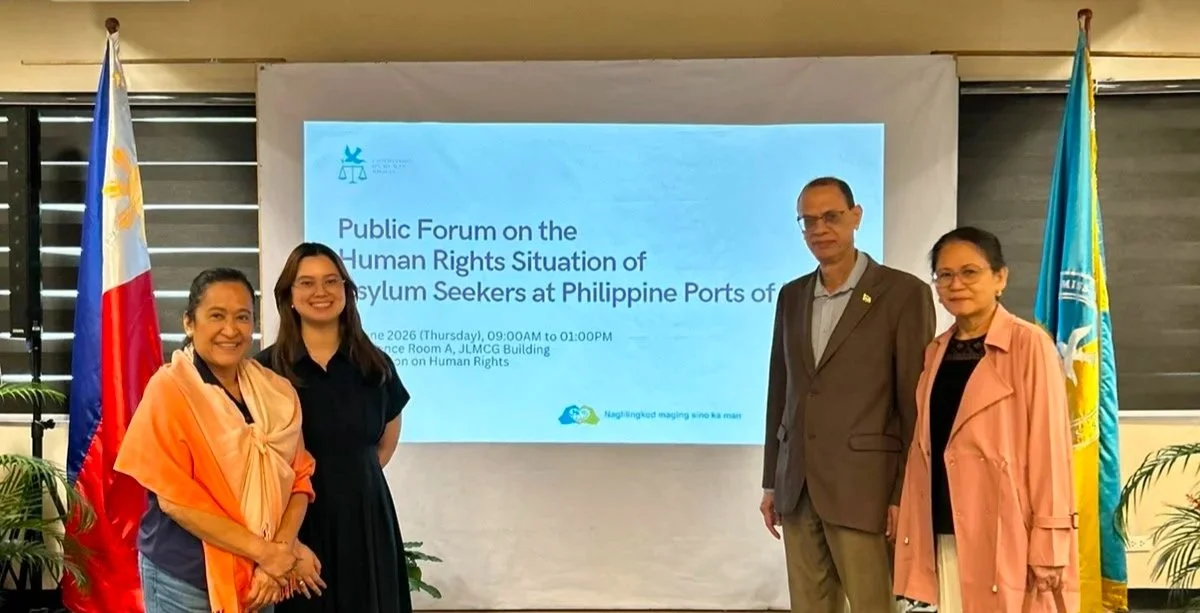
The Philippine Arab Cooperation Council Inc. (PACCI) participated in the Public Forum on the Human Rights Situation of Asylum Seekers at Philippine Ports of Entry, a key stakeholder engagement convened by the Commission on Human Rights (CHR) last June 4, 2026. The forum brought together representatives from government agencies, international organizations, civil society, and humanitarian partners to examine the challenges faced by asylum seekers in the Philippines and to identify practical, rights-based solutions that strengthen protection mechanisms and uphold the country’s humanitarian commitments.
The forum underscored that while the Philippines is a State Party to the 1951 Refugee Convention and its 1967 Protocol, significant operational and policy gaps remain in the country’s Refugee Status Determination (RSD) system. Participants noted the absence of a comprehensive legal framework that clearly defines procedures for appeal, inter-agency coordination, and post-decision remedies.
Discussions centered on the experiences of asylum seekers arriving at Philippine ports of entry, particularly at Ninoy Aquino International Airport (NAIA). Between May and August 2024, a surge in asylum applications, including a large number from Burundi, placed considerable pressure on existing refugee status determination (RSD) mechanisms. Participants raised concerns regarding overcrowding and prolonged stays in holding facilities, delays in processing applications, limited access to legal and translation services, inadequate living conditions, the lack of opportunities for communication with families or engagement in meaningful activities while awaiting decisions and the heightened vulnerability of women and children. Reports of discrimination and cultural misunderstanding further underscored the need for stronger protection measures.
Representatives from the government agencies and civil society shared their ongoing efforts to address the concerns mentioned. The Department of Justice (DOJ) reported the establishment of a quick response team and the deployment of additional legal personnel to improve case processing efficiency. The Bureau of Immigration (BI) announced the creation of a specialized protection unit and the rollout of cultural sensitivity training for frontline officers. Meanwhile, the New NAIA Infrastructure Corporation (NNIC) outlined improvements to accommodation facilities, including separate spaces for asylum seekers and inadmissible passengers, as well as gender-segregated accommodations to promote safety and privacy, alongside the ongoing development of a permanent facility. The Department of Social Welfare and Development (DSWD) and the Community and Family Services International (CFSI) likewise highlighted their continued provision of temporary shelter given only if they secure a Certificate of Pending Application for Refugee Status (CPA), medical assistance, psychosocial support, interpretation services, and basic humanitarian aid.
The United Nations High Commissioner for Refugees (UNHCR) emphasized the need for alternatives to detention for vulnerable asylum seekers, particularly women and children, the importance of sustaining a non-discriminatory protection environment, and the development of a comprehensive legal framework to provide clearer procedures, safeguards, and remedies within the asylum and refugee status determination system.
In its intervention, PACCI highlighted the challenges faced not only by asylum seekers at ports of entry but also by those already residing in the Philippines while awaiting decisions on their applications. The organization recommended reducing burdensome visa renewal requirements, extending the validity of work permits for asylum seekers, and strengthening the DOJ Refugees and Stateless Persons Protection Unit (RSPPU) through increased staffing and resources. PACCI stressed that enabling asylum seekers to work legally and support themselves promotes dignity, self-reliance, and social inclusion.
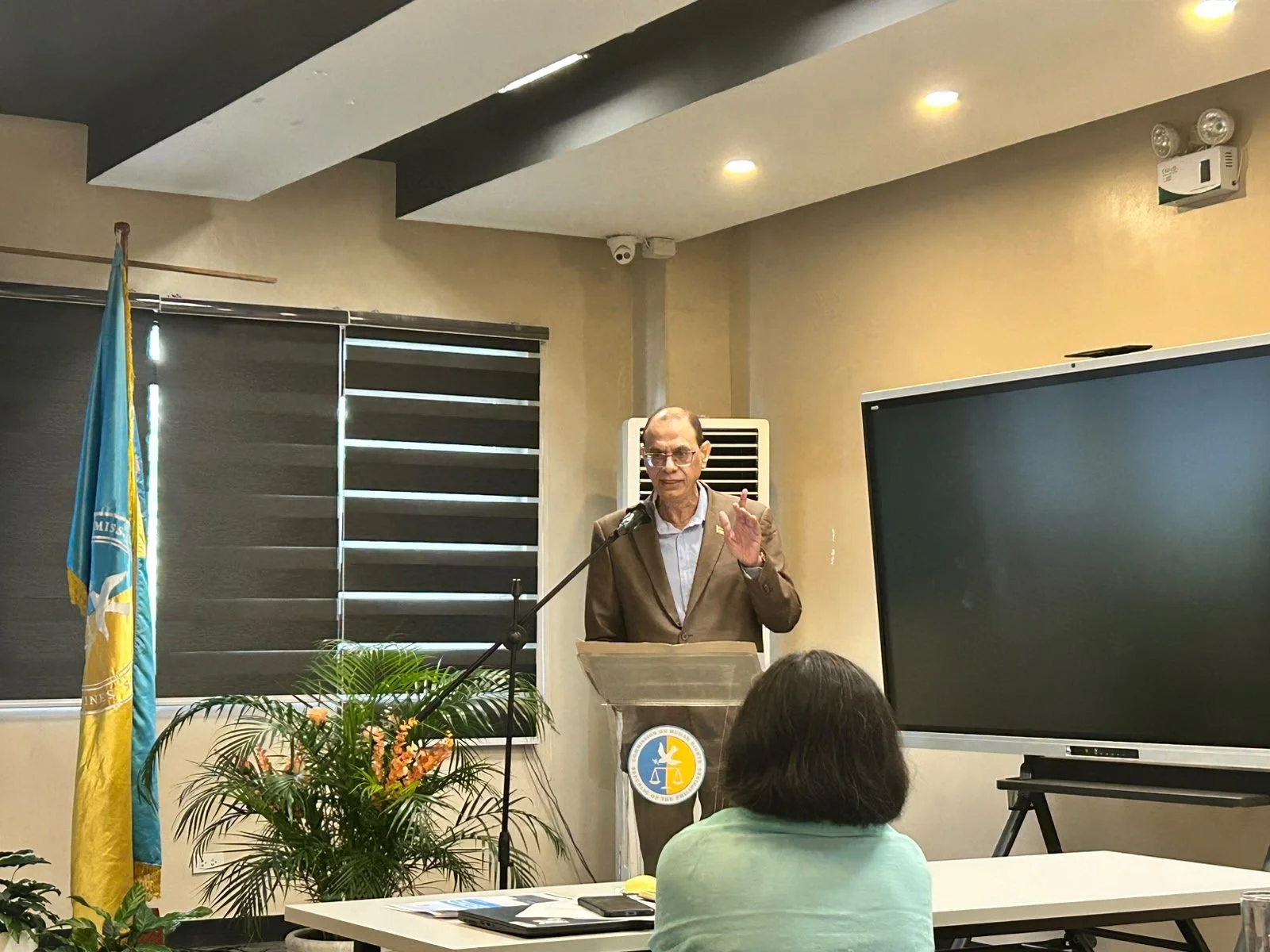
The forum concluded with a shared recognition that asylum seekers protection requires a whole-of-government and whole-of-society approach. As stakeholders continue to explore reforms and practical solutions, the dialogue served as an important step toward building a more humane, efficient, and rights-based asylum system in the Philippines—one that reflects both the country’s international obligations and its longstanding tradition of compassion and hospitality.