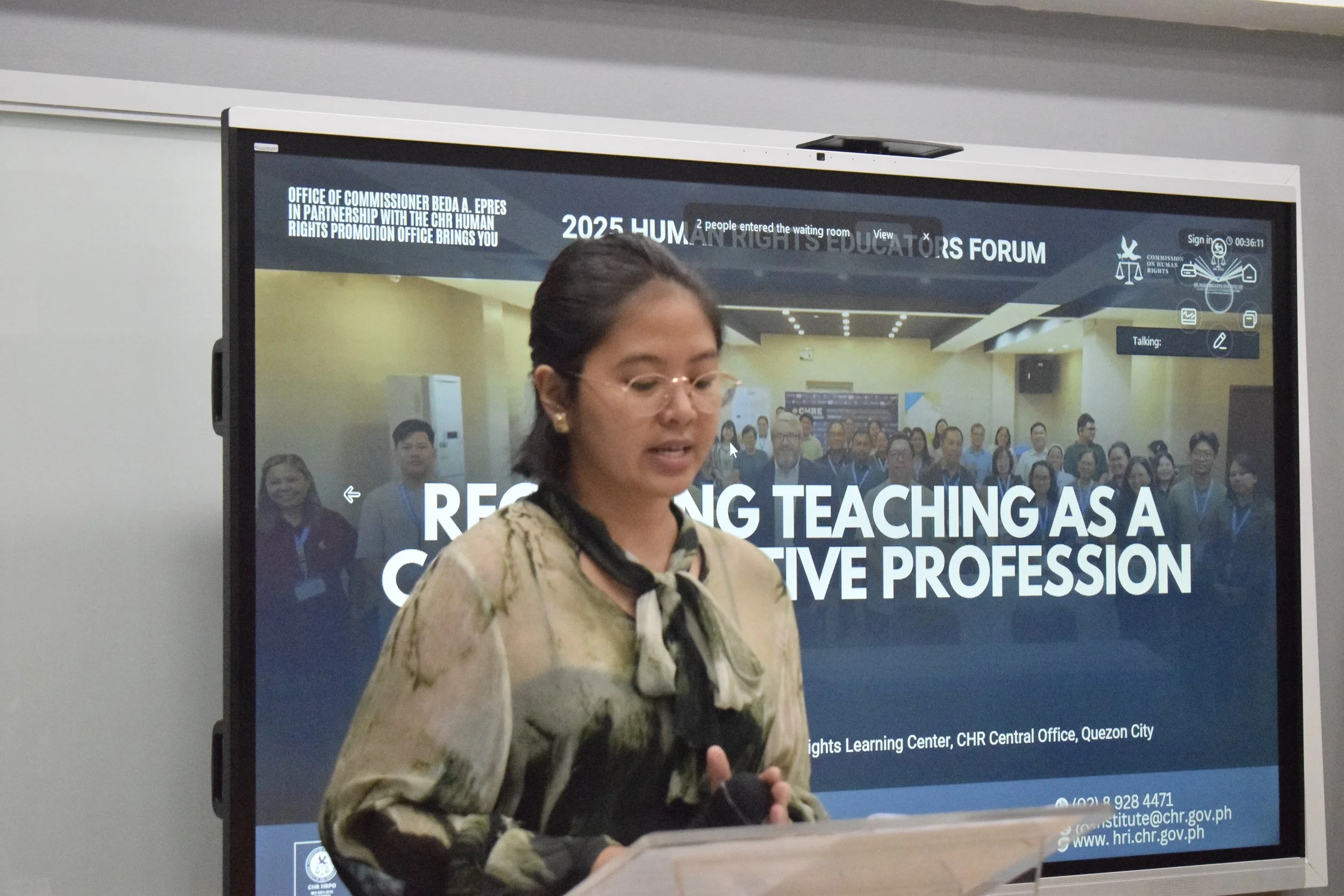
2025 Human Rights Educators Forum
“UNESCO Theme: Recasting Teaching as a Collaborative Profession”
Commission on Human Rights (CHR)
Human Rights Learning Center, CHR Central Office, Quezon City, Philippines
December 10, 2025
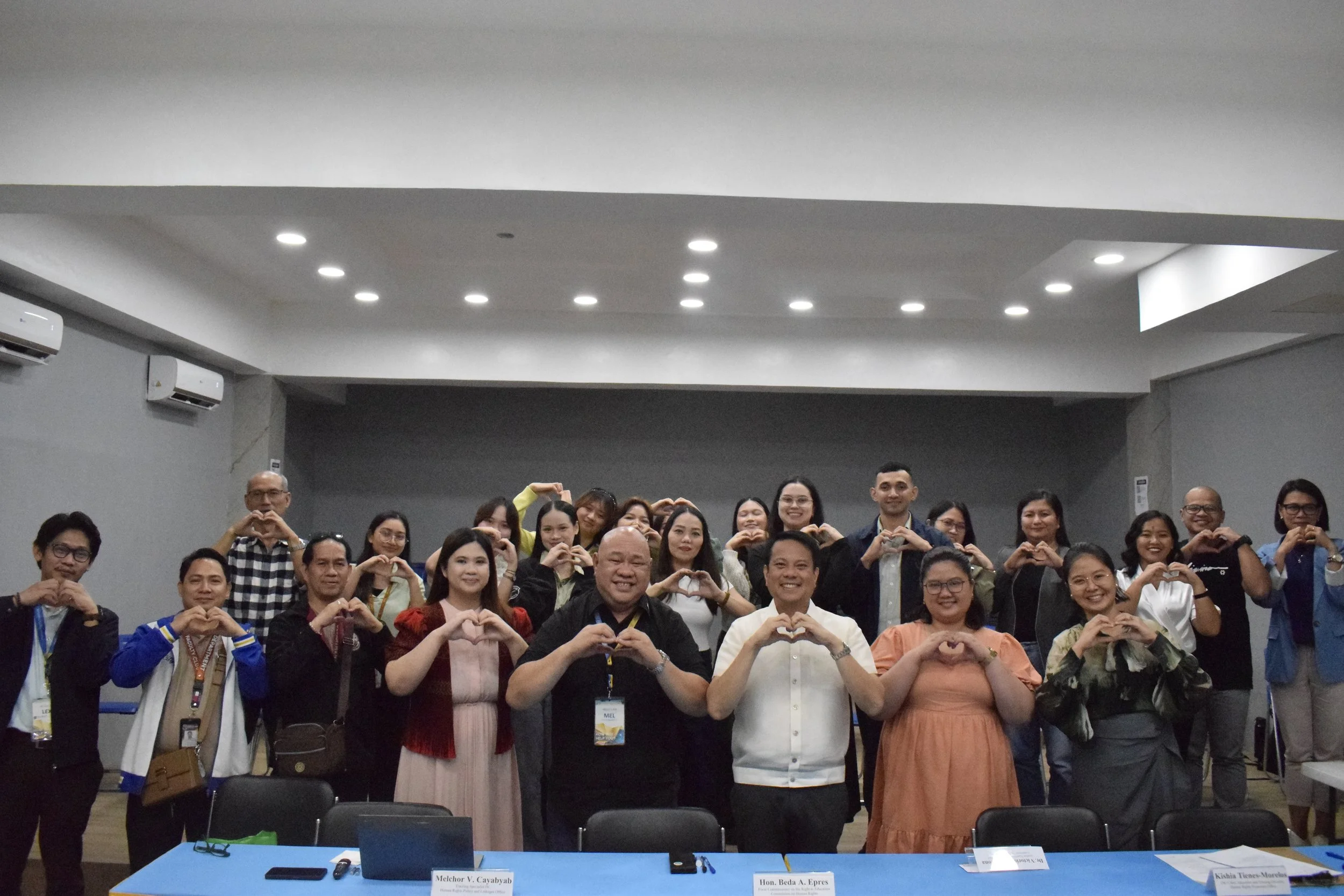
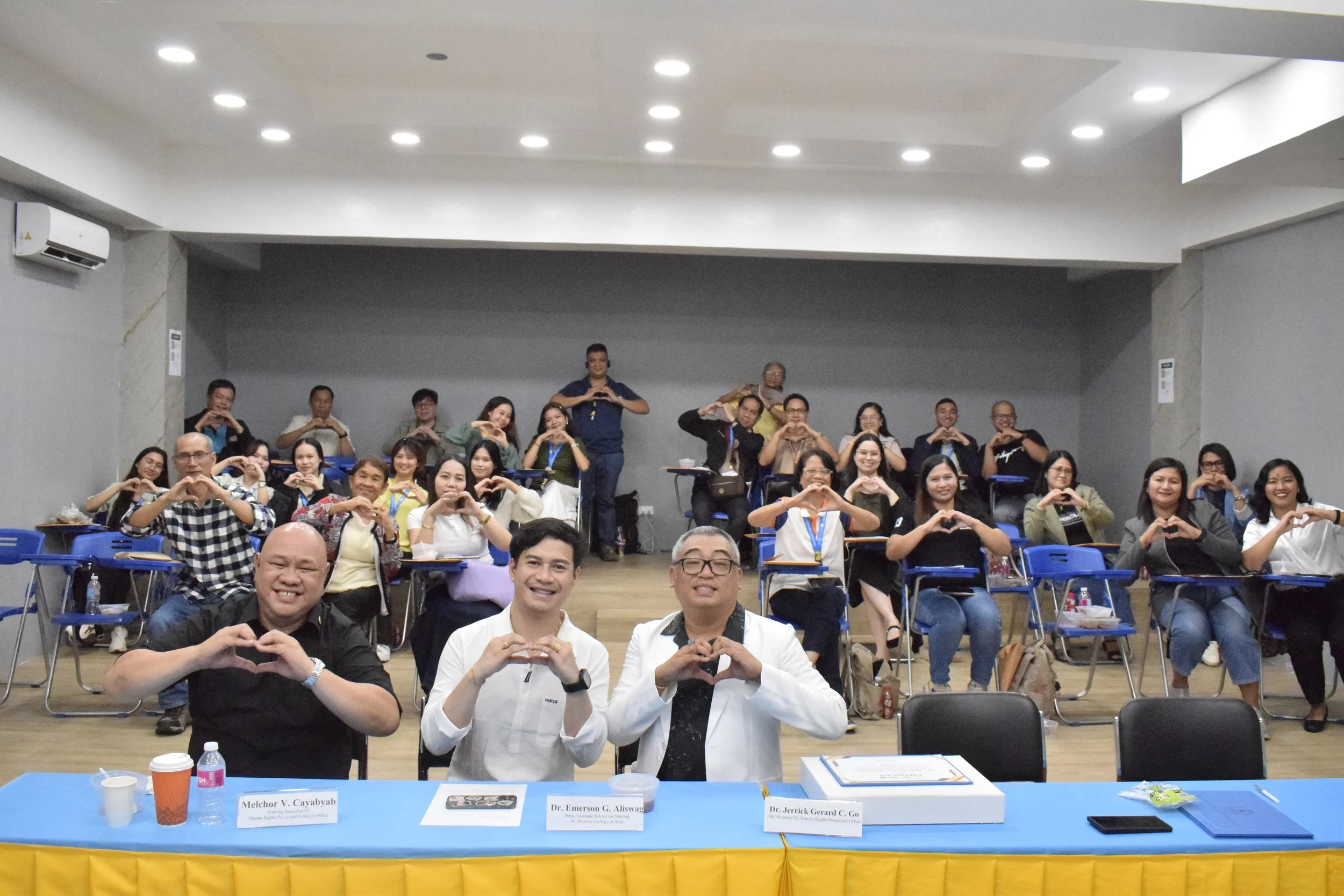
In celebration of Human Rights Day, the Commission on Human Rights (CHR), through the Human Rights Promotion Office (HRPO), organized the 2025 Human Rights Educators Forum on December 10, 2025, at the Human Rights Learning Center, CHR Central Office in Quezon City. The forum was convened to strengthen human rights education in the Philippines by deepening educators’ foundational understanding of key human rights concepts and education frameworks. It also aimed to build capacities in pedagogical and andragogical approaches for effectively integrating human rights into academic and community settings through interactive learning activities, while fostering a sustained commitment among educators and institutions to advancing a culture of dignity, justice, and inclusive education nationwide.
Welcome Remarks and Solidarity Messages
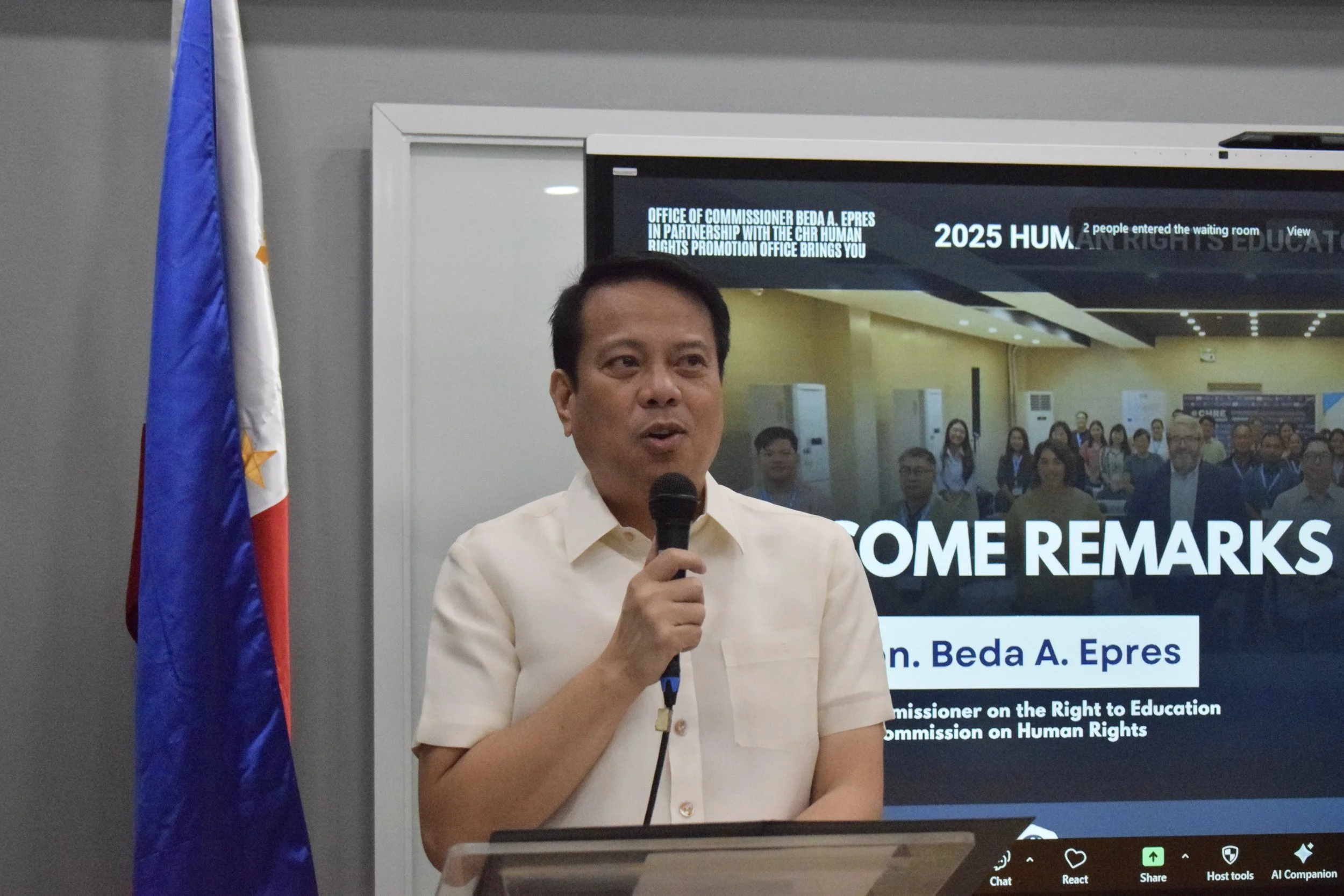
The program opened with welcoming remarks from Atty. Beda A. Epres, CHR Focal Commissioner on the Right to Education, who emphasized that human rights education forms the “foundation for a society that appreciates diversity and safeguards dignity in everyday life.” He encouraged participants to strengthen the growing movement of educators shaping a rights-based, compassionate community.
Solidarity messages followed from Atty. Juan Edgardo “Sonny” Angara, Secretary of the Department of Education, and Dr. Victorio Amazona, who gave Dr. Shirley C. Agrupis, Chairperson of the Commission on Higher Education, speech on her behalf. Their messages underscored the importance of cultivating a culture of human rights in every classroom. Human rights education equips all of us with the knowledge of fairness, compassion, and social responsibility. Both offices reaffirmed their commitment to creating safe, inclusive, and empowering learning environments nationwide.
FORUM HIGHLIGHTS
Session 1 – Basic Concepts and Principles of Human Rights
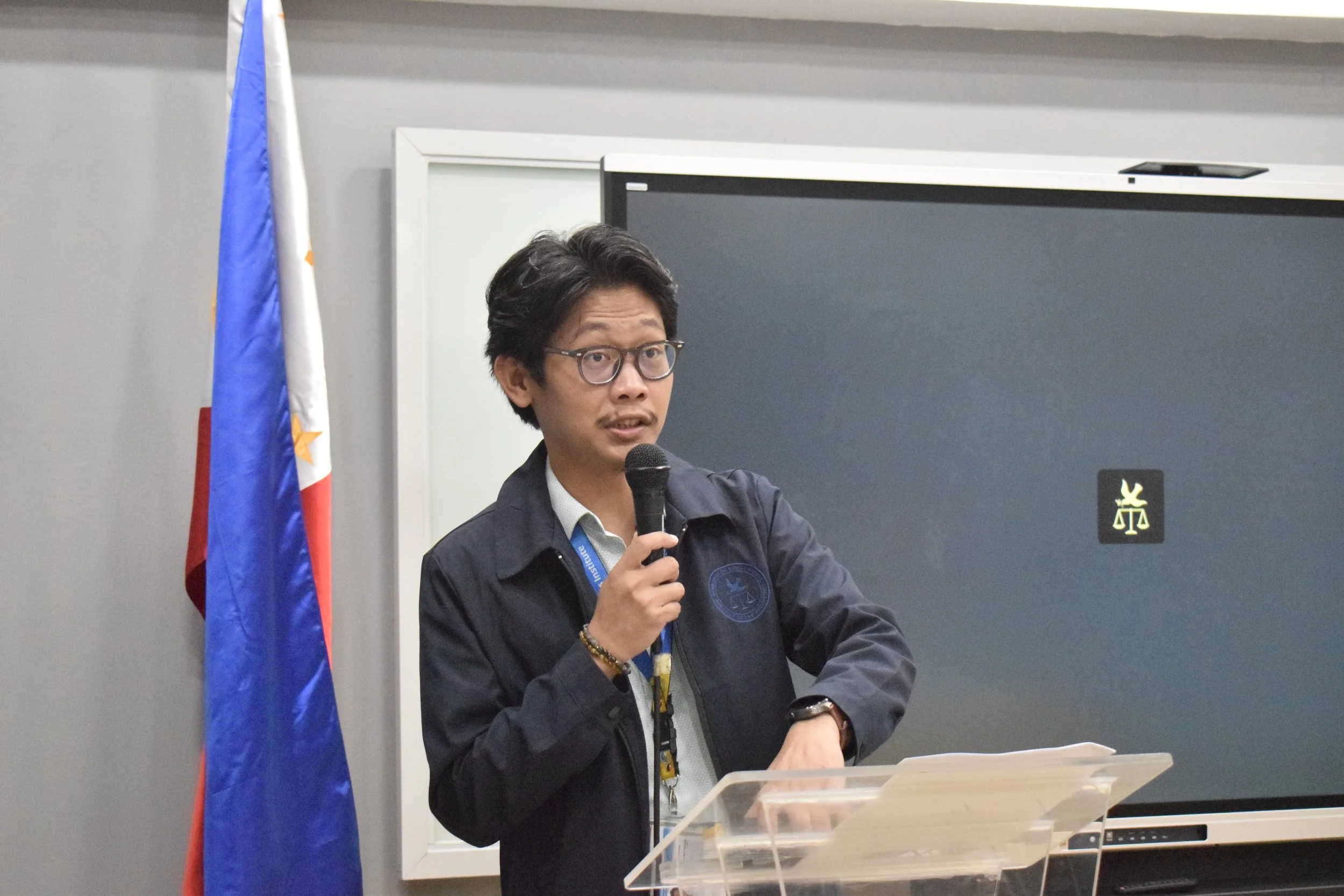
Speaker: Mr. Legis Almazar, Training Specialist II, ETD-HRPO
The first session opened with a visualization activity reflecting on the global context of World War 2 and the culmination of the 1948 Universal Declaration of Human Rights (UDHR). Mr. Almazar discussed the UN definition of human rights and the CHR’s mandate as reinforced by Simon v. CHR. He emphasized the characteristics of human rights—inherent, universal, inalienable, indivisible, interdependent, and non-discriminatory. Participants reviewed key sources such as the UDHR, the International Bill of Human Rights, International Covenant on Civil and Political Rights (ICCPR), International Covenant on Economic, Social and Cultural Rights (ICESCR), and relevant Philippine constitutional provisions. The session also covered the State’s obligations to respect, protect, and fulfill rights, along with distinctions between absolute and derogable rights.
Session 2 – Advancing Human Rights in Basic Education
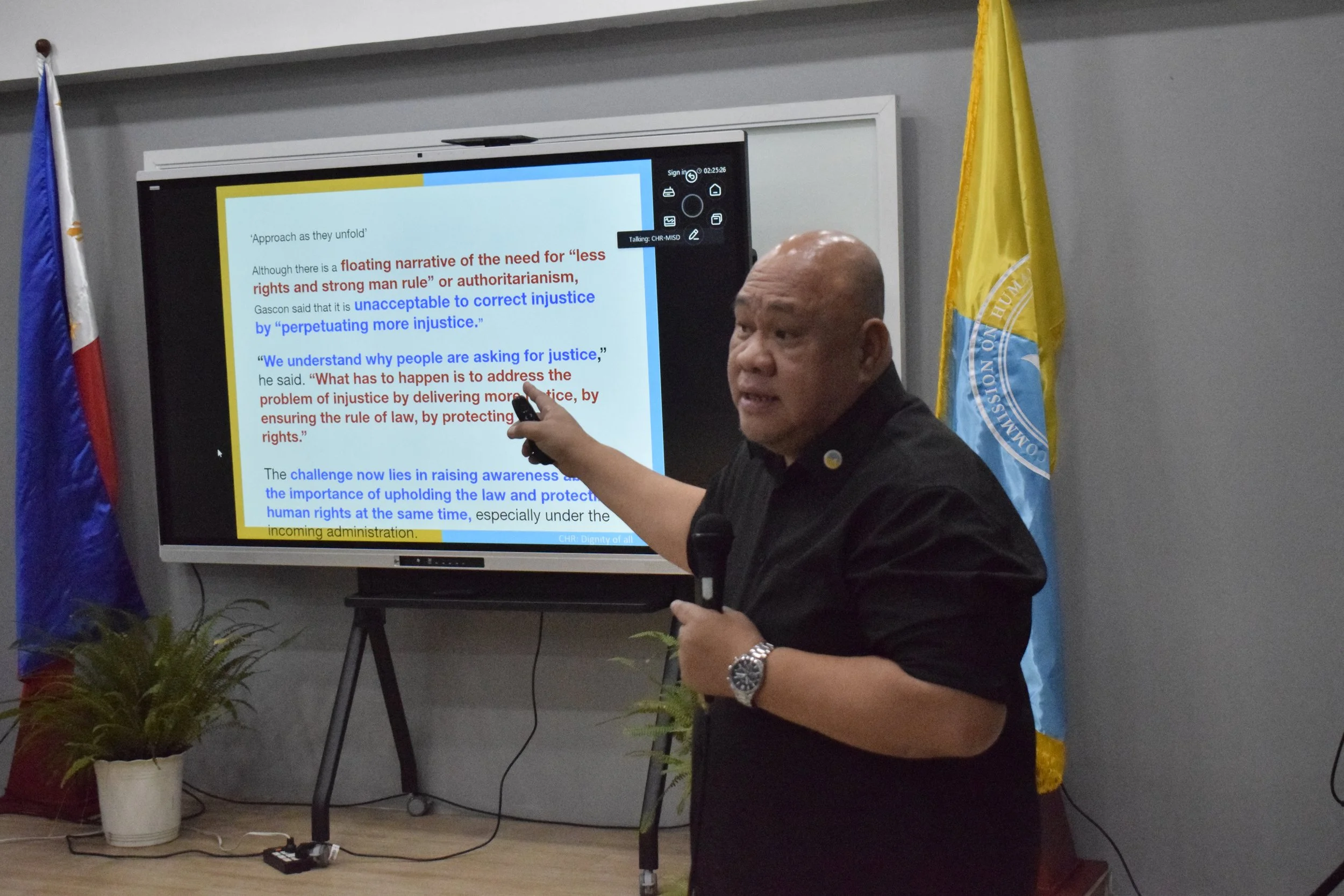
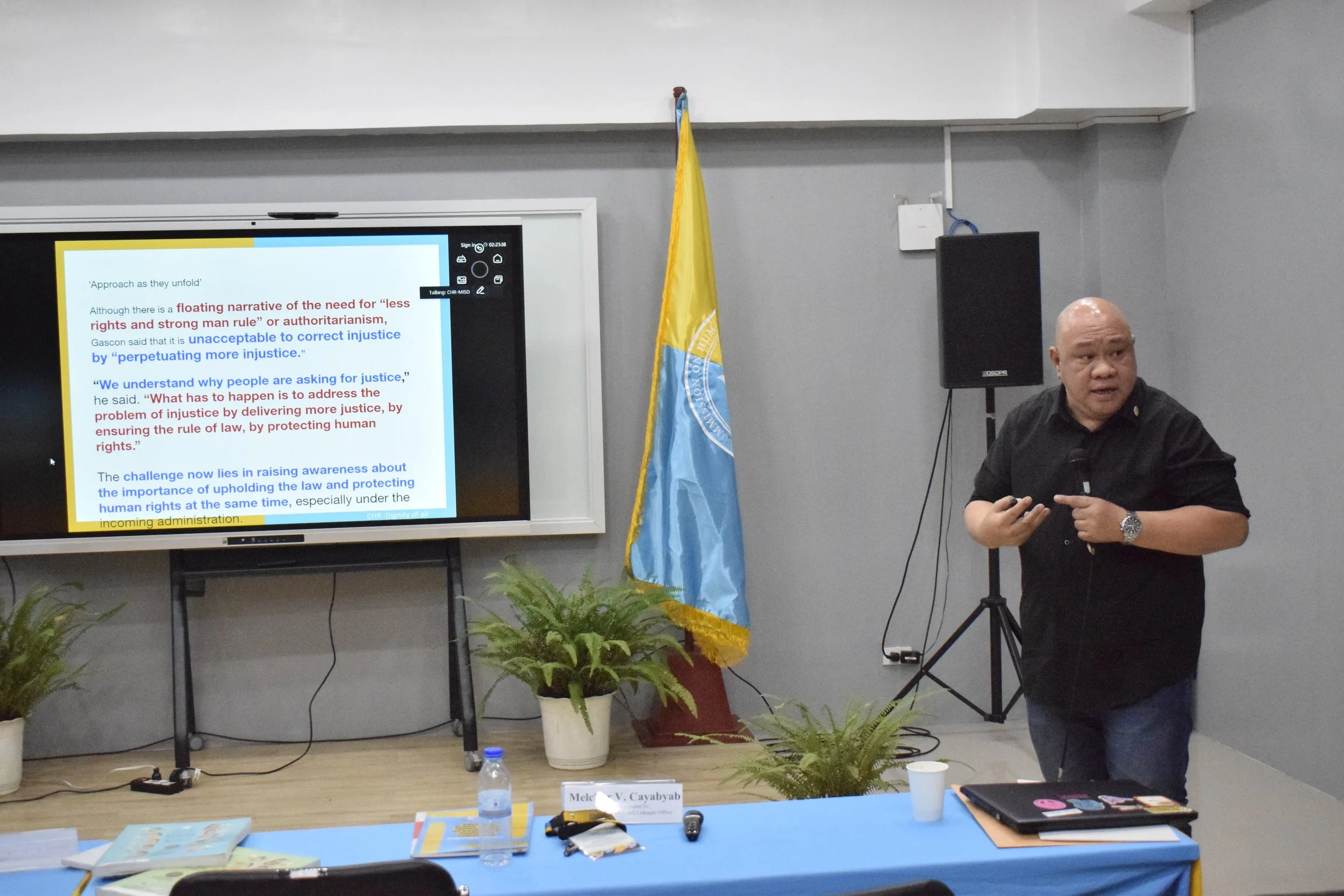
Speaker: Mr. Melchor V. Cayabyab, Training Specialist IV, HRPLO
Mr. Cayabyab introduced CHR’s human rights teaching materials and key lessons from HRE 1.0, stressing that integrating human rights into the curriculum is not enough—human rights must be taught as a lived perspective, not an “additional” topic. Citing former CHR Chair José Luis Gascon, he rejected narratives calling for “less rights and strongman rule,” emphasizing that injustice cannot be corrected “by perpetuating more injustice,” but by strengthening the rule of law and protecting rights. He encouraged educators to make human rights concrete and practical by asking who is being left out, whether rights are respected and fulfilled, and who holds responsibility. He highlighted the personal commitment required of human rights educators and underscored participatory, democratic methods that value learners’ voices, encourage critical thinking, and translate abstract concepts into real-life, experience-based, action-oriented lessons.
Session 3 – Andragogy and Human Rights Teaching
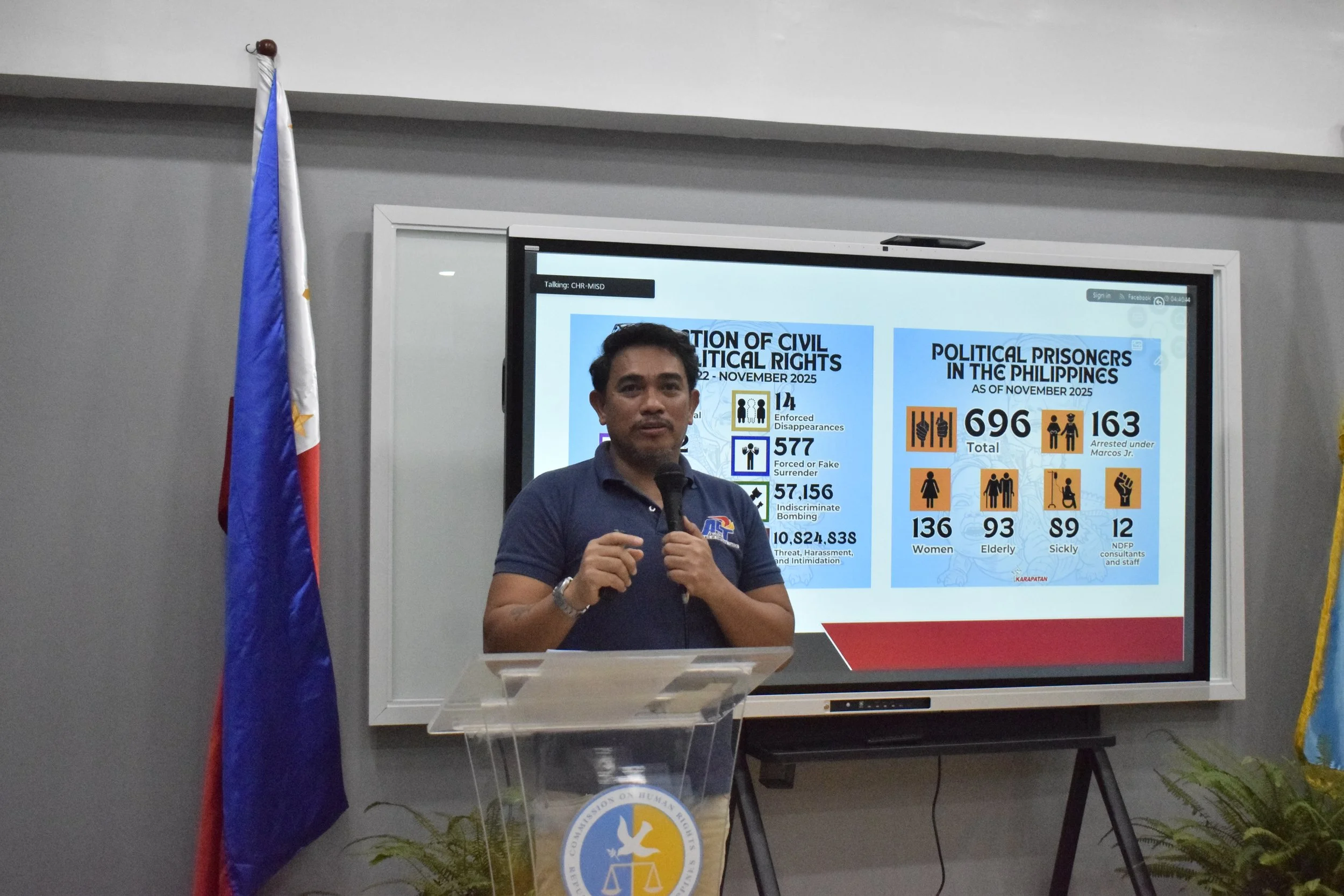
Speaker: Dr. Rommel B. Rodriguez, University of the Philippines–Diliman
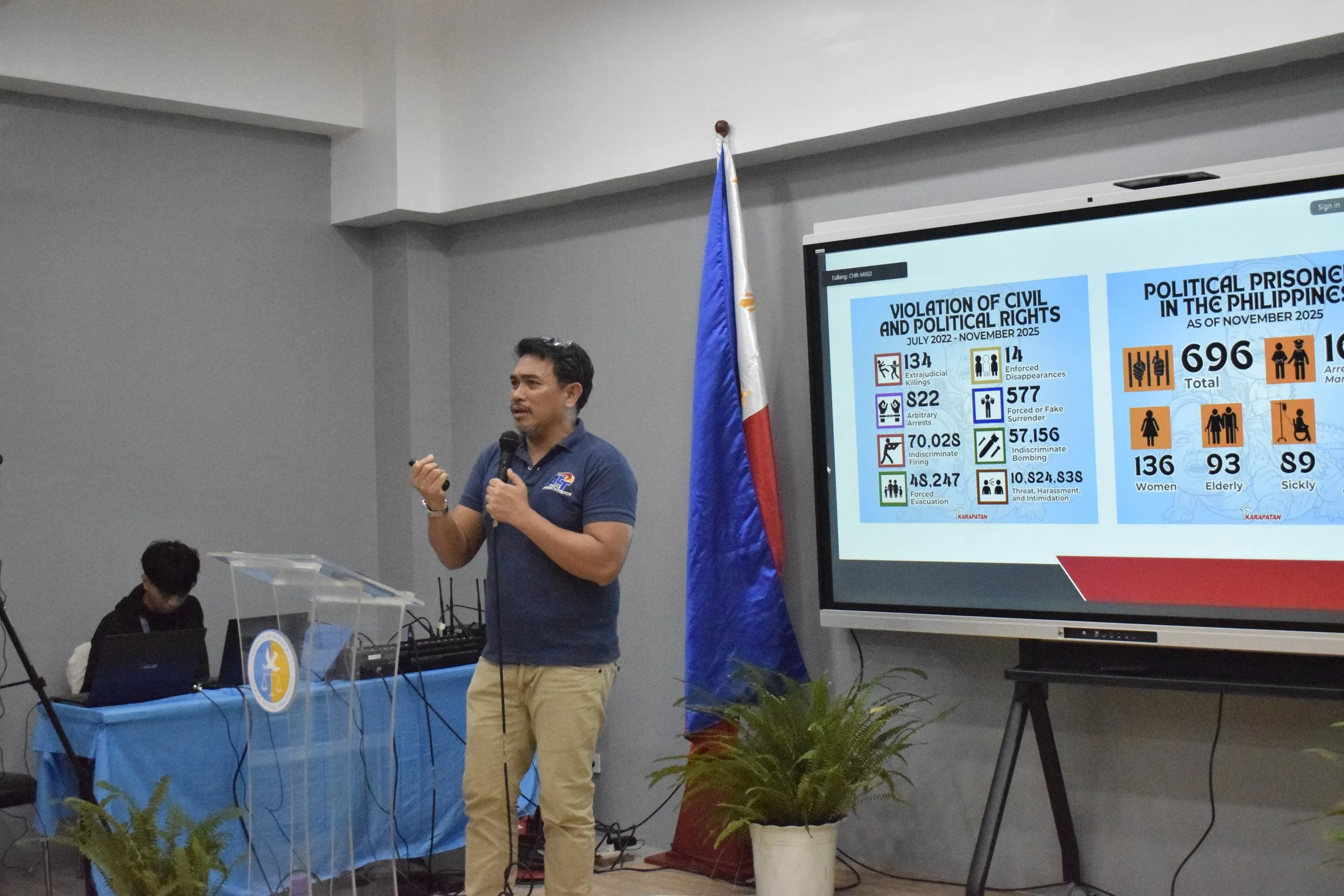
Dr. Rodriguez facilitated a Menti-based activity where participants reflected on two key questions: the first word that comes to mind when thinking of human rights—yielding responses such as dignity, empowerment, justice, and inclusivity—and why teaching human rights is essential, with participants emphasizing awareness-building, respect, justice, and the protection of human dignity. He situated these reflections within broader academic discourse, citing Richard Rorty’s view that stories awaken empathy, an essential foundation for human rights consciousness, and Gayatri Spivak’s argument that education must strengthen reading and interpretive skills so learners can critically engage with narratives that shape their understanding of rights. Dr. Rodriguez underscored that human rights education must cultivate empathy, critical literacy, and reflective engagement, forming the basis for transformative, justice-oriented learning spaces.
Session 4 – Safe Spaces Act, Gender, and Women’s Rights
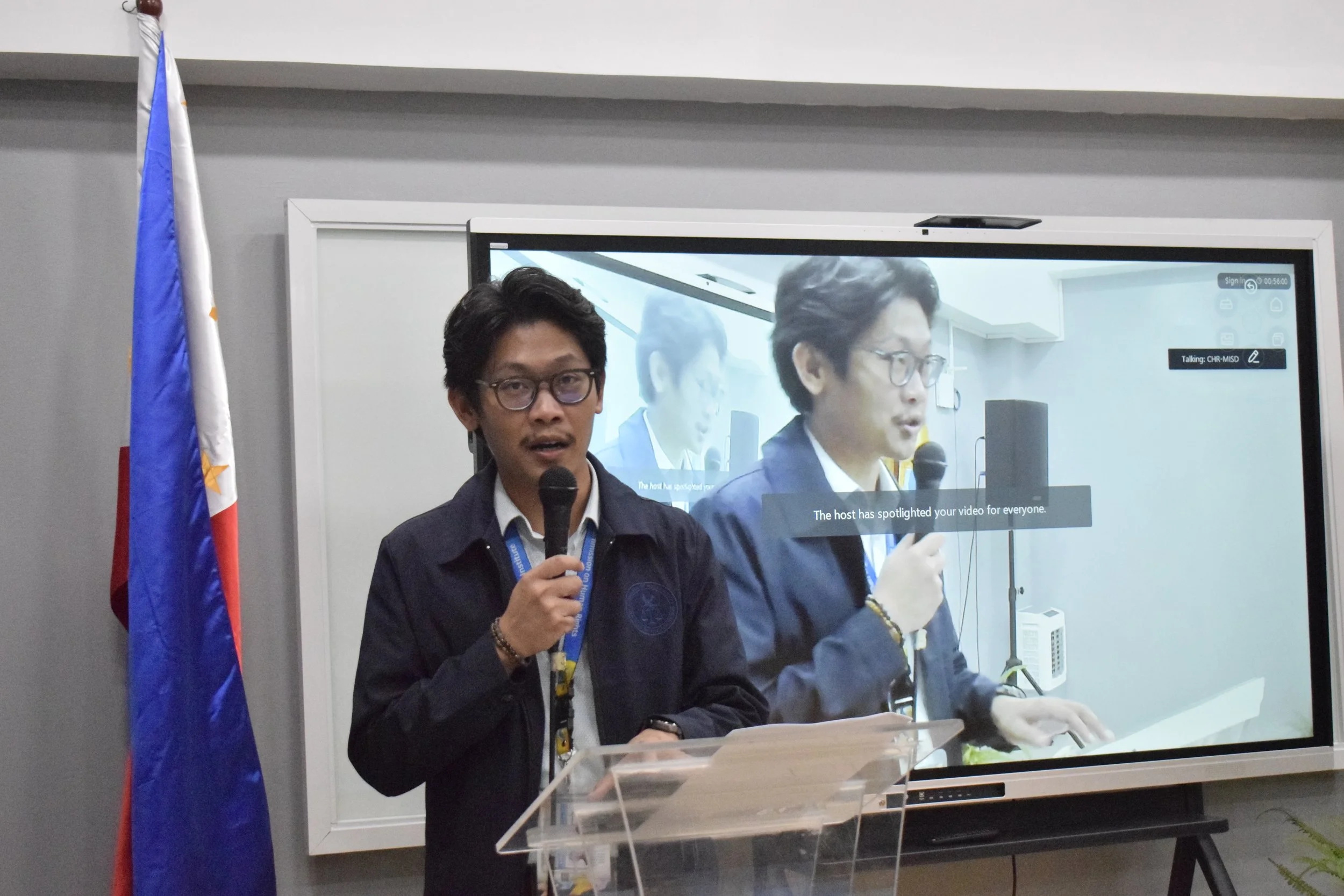
Speaker: Mr. Legis Almazar, Training Specialist II, ETD-HRPO
Mr. Almazar offered a human-rights–centered examination of gender-based violence (GBV), defining it as conduct rooted in unequal gender norms and power relations that infringes upon individuals’ dignity, security, and autonomy—forms of harm that disproportionately affect women and girls. He outlined the key reforms under RA 11313, including expanded definitions of sexual harassment, wider protection across public, transport, and digital spaces, and strengthened institutional duties to ensure safe and survivor-responsive environments. His analysis highlighted the human rights implications of online sexual harassment committed through Information and Communications Technology (ICT)—such as misogynistic and homophobic abuse, cyberstalking, impersonation, and intrusive messaging—acts that violate privacy, equality, and the right to live free from fear. Mr. Almazar underscored employers’ obligations to uphold rights by enforcing zero-tolerance policies, conducting preventive education, and establishing a Committee on Decorum and Investigation (CODI). He concluded that advancing Safe Spaces is essential not only for legal compliance but for fulfilling the state and institutions’ human rights duty to protect individuals from discrimination, abuse, and violence while fostering inclusive, respectful, and rights-affirming communities.
Session 5 – Mental Health as a Human Right
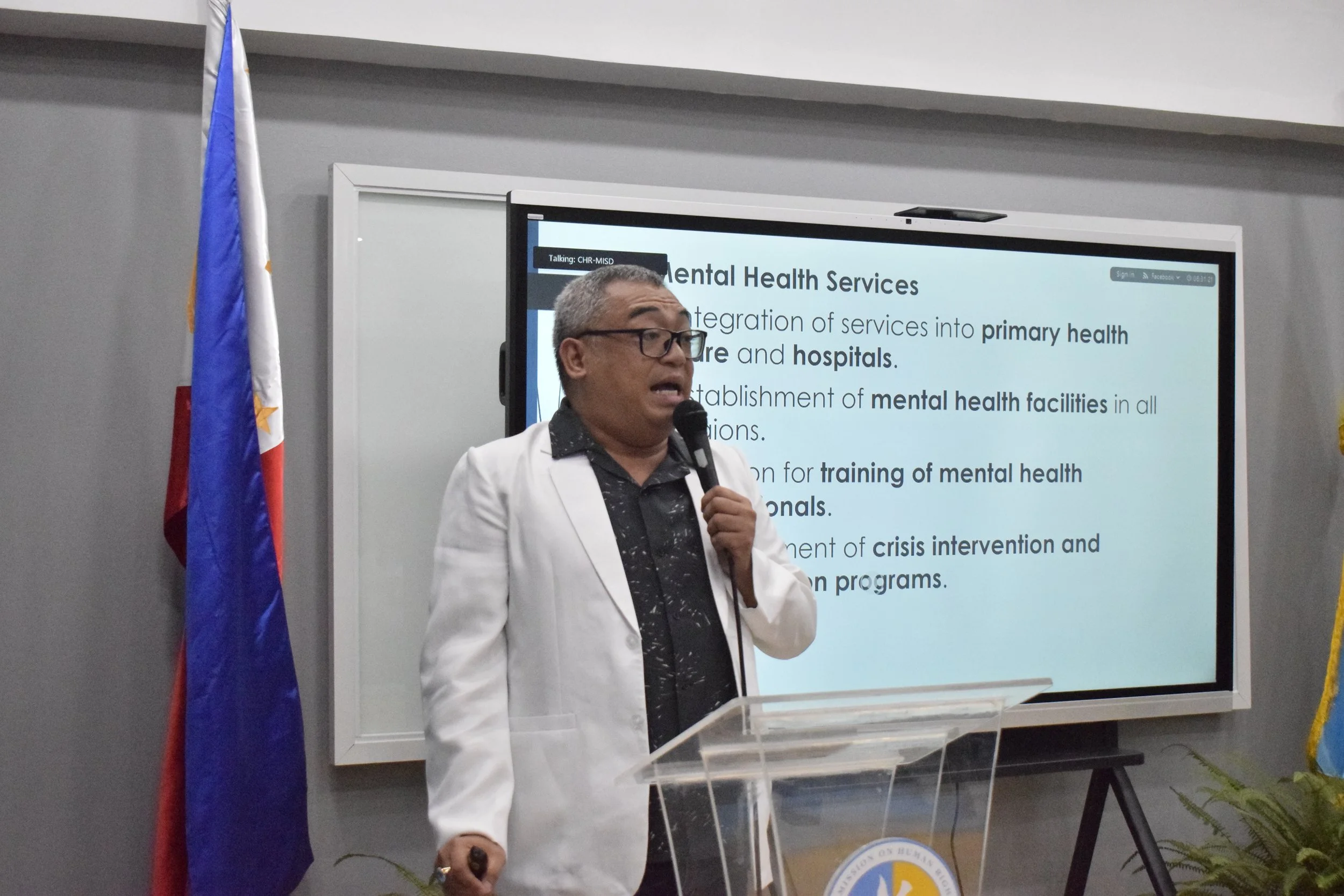
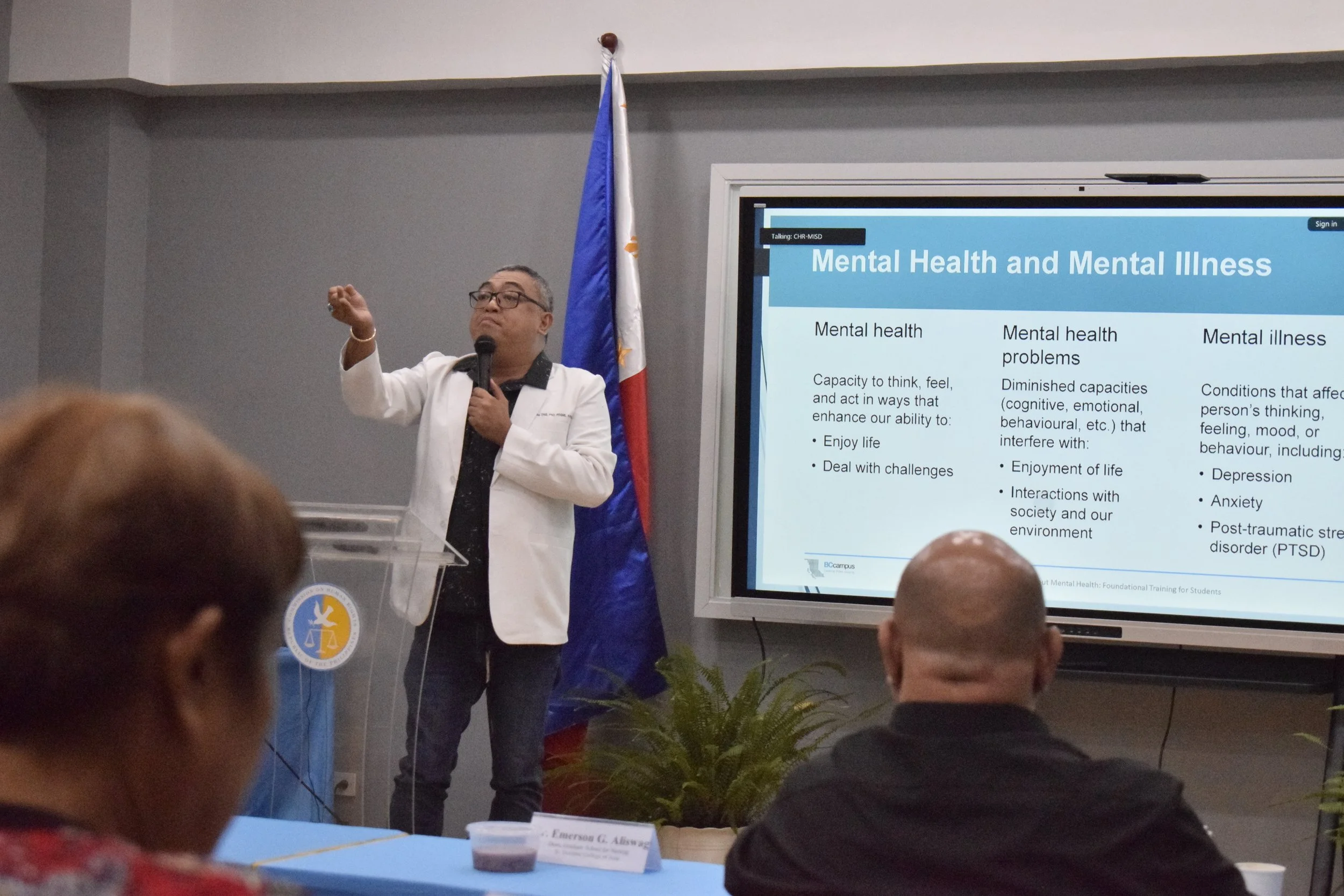
Speaker: Dr. Emerson G. Aliswag, DNS, PhD, FPNA, PDSML, Trinity University of Asia
Dr. Aliswag framed mental health as a fundamental human right, emphasizing that individuals’ capacity to think, feel, and act in ways that enhance their well-being is essential for participation in society and enjoyment of life. He highlighted the integration of mental health services into primary care and hospitals, the establishment of regional facilities, and the training of mental health professionals, alongside programs for crisis intervention, rehabilitation, and psychosocial first aid. Emphasizing practical strategies, he introduced the 90-second rule for managing emotional responses, discussed de-escalation techniques, and outlined ways educators can reduce stress while strengthening resilience among students and colleagues. He discussed workplace initiatives such as the Civil Service Commission’s Wellness Leave Policy, which enables government employees to access up to five days of leave for mental health promotion and recovery. Dr. Aliswag distinguished between stress, burnout, and mental illness—such as depression, anxiety, and PTSD—underscoring those solutions must be context-specific, culturally sensitive, and responsive to diverse socio-cultural needs. He emphasized a human-rights perspective that includes promotive, preventive, curative, and rehabilitative approaches, integrating self-awareness, self-esteem, resilience, and social inclusion, and called for multi-level interventions—from personal coping strategies to institutional policies—to safeguard mental health as a critical component of human dignity, equality, and participation.
Session 6 – Strengthening Human Rights Education and the Closing Remarks
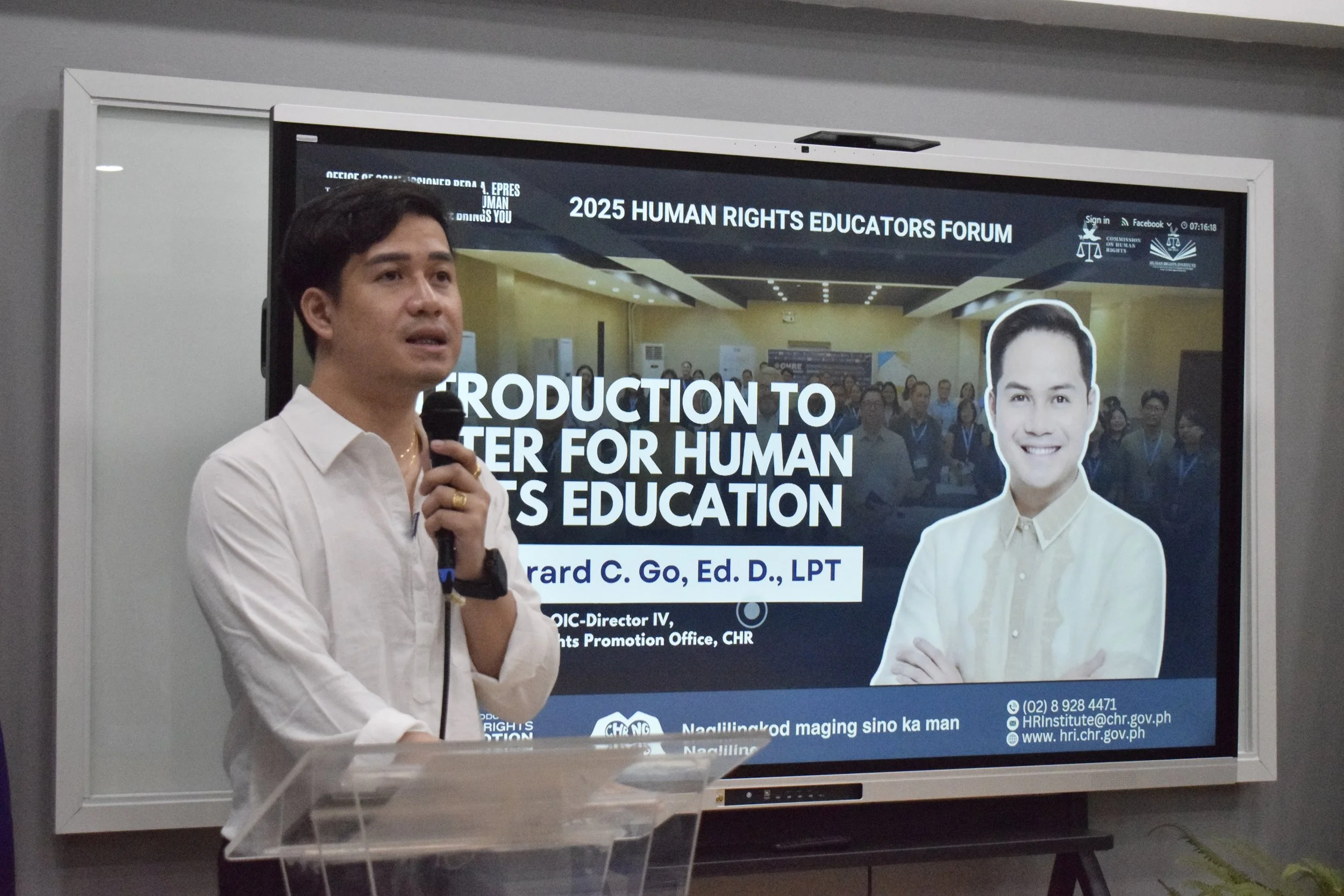
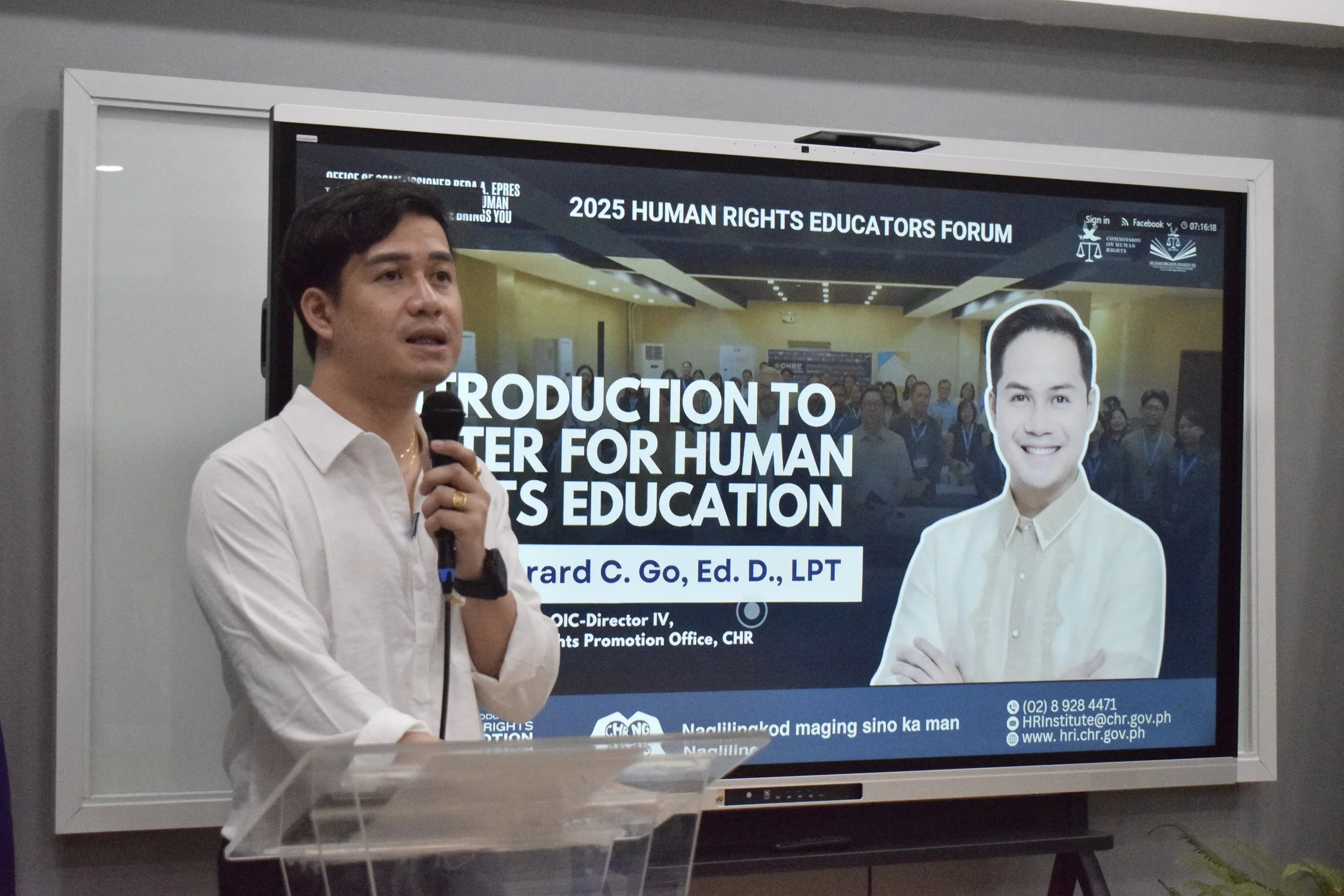
Speaker: Dr. Jerrick Gerard C. Go, OIC-Director IV, HRPO
Dr. Go introduced the work of the Center for Human Rights Education and encouraged schools, colleges, and universities to actively celebrate and promote human rights through curricular and co-curricular programs. He urged institutions to establish a Center for Human Rights Education as a platform to meaningfully integrate human rights concepts into curricula, research, and extension programs, emphasizing that human rights are living values to be practiced, not merely taught. Highlighting the shared responsibility of educators, institutions, and communities, he stressed that education should respond to both national and global realities—including critical issues such as mental health—thereby fostering a culture of dignity, respect, and social responsibility.
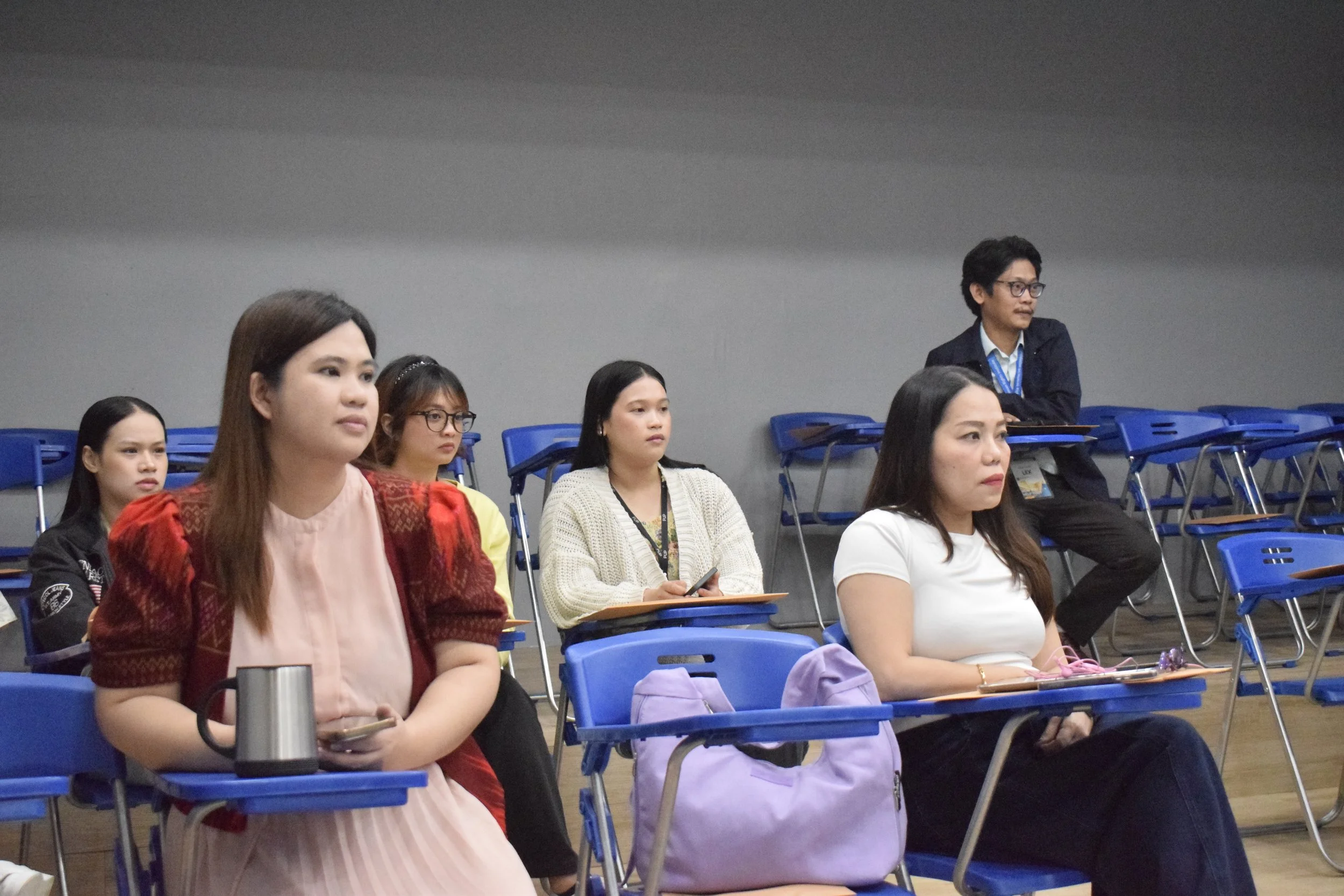
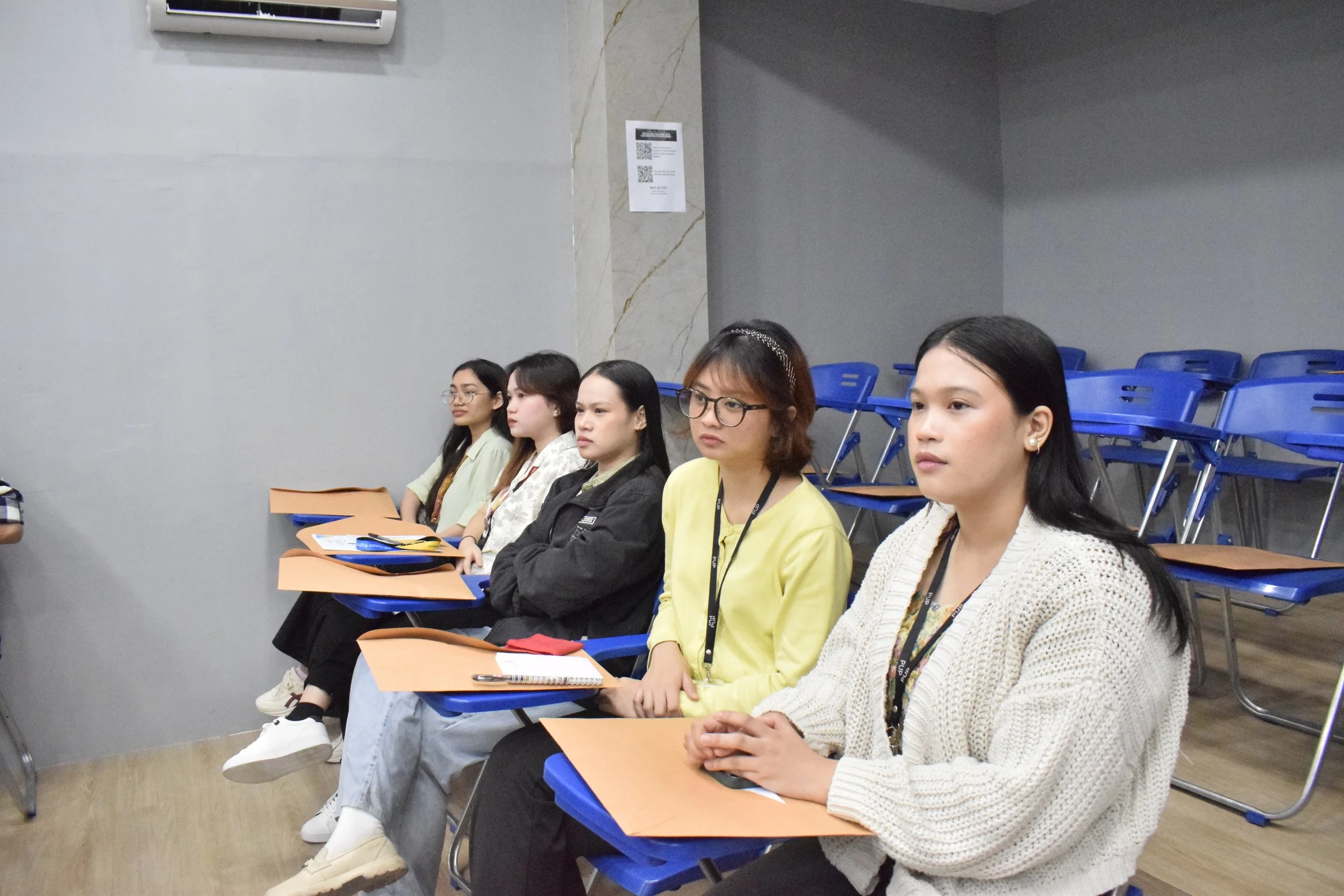
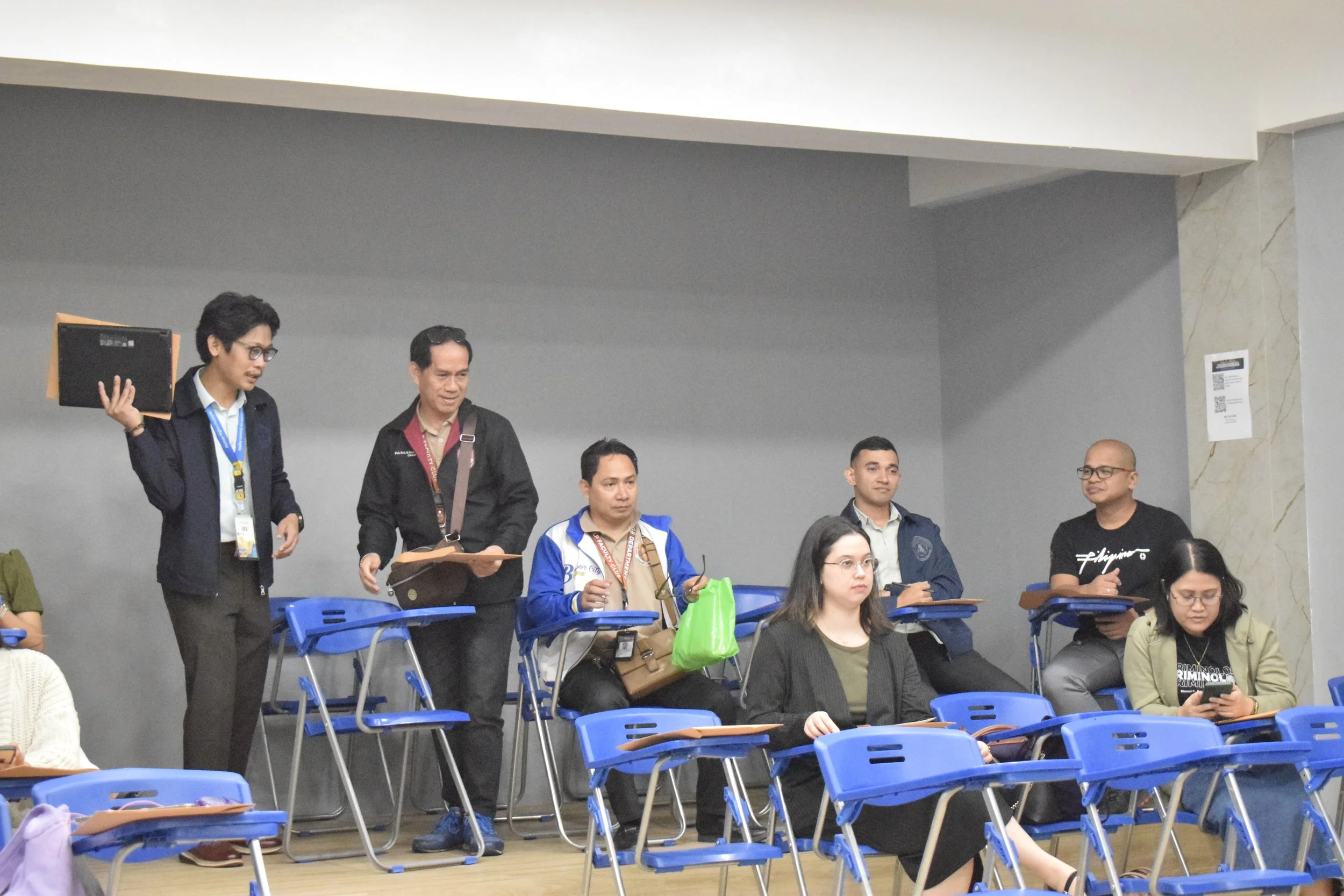
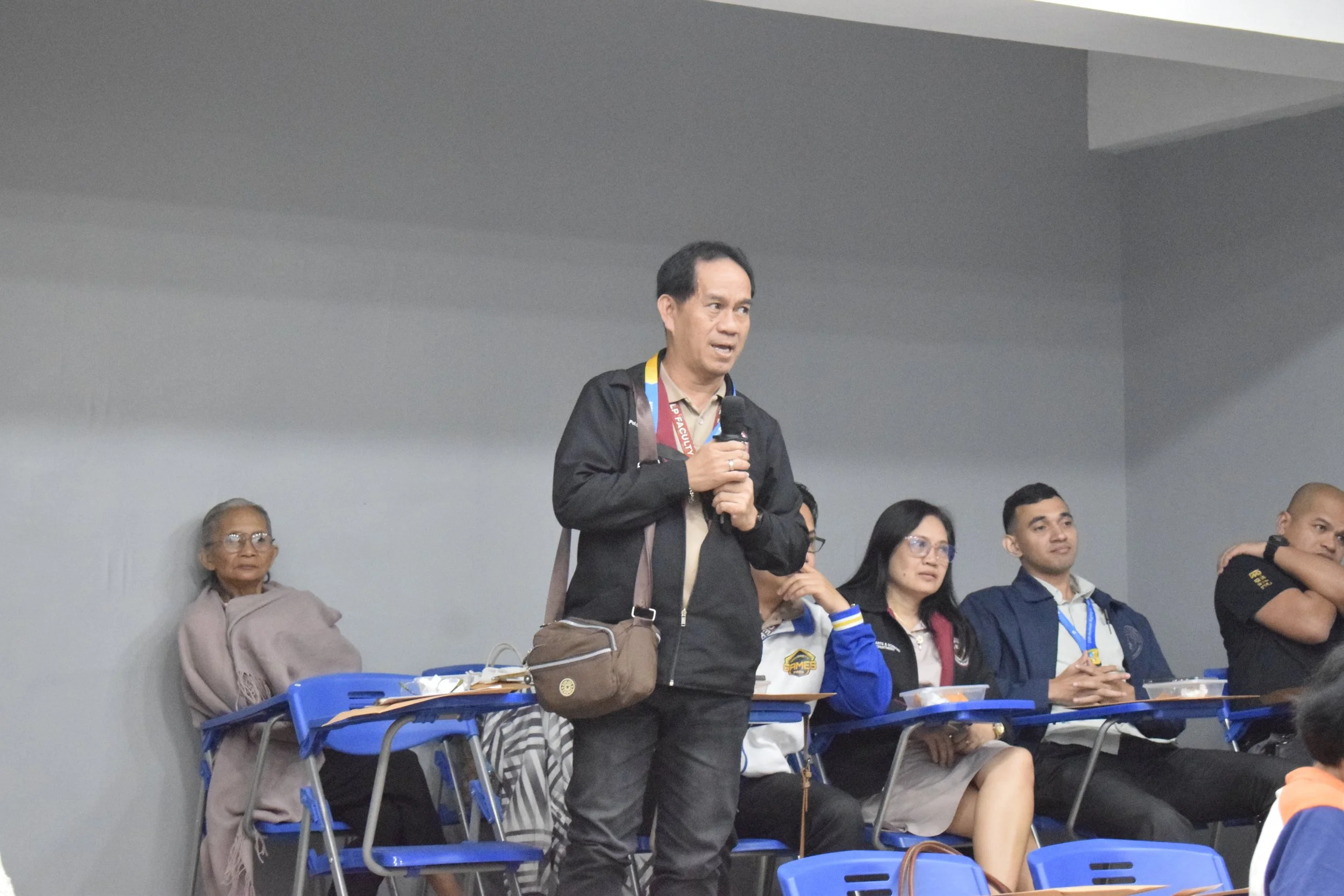
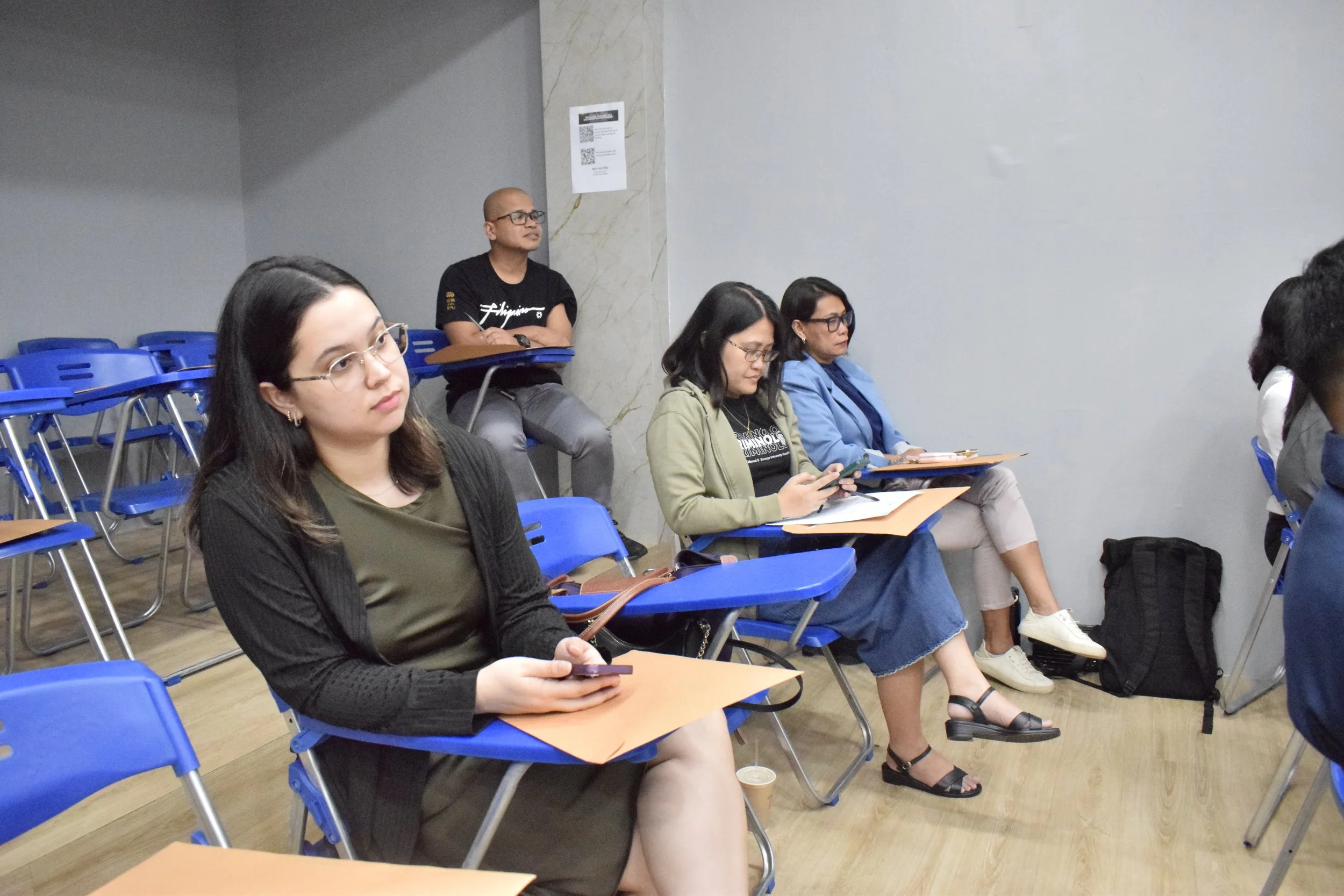
Throughout the forum, educators emphasized the growing need for human rights integration in school policies, teaching strategies, and institutional culture. The sessions reinforced that building a rights-respecting society requires cooperation among teachers, administrators, government agencies, and communities.
The 2025 Human Rights Educators Forum concluded with a commitment to strengthen human rights education nationwide and foster learning environments rooted in dignity, respect, and justice for all.
Advancing a Culture of Human Rights in Philippine Education