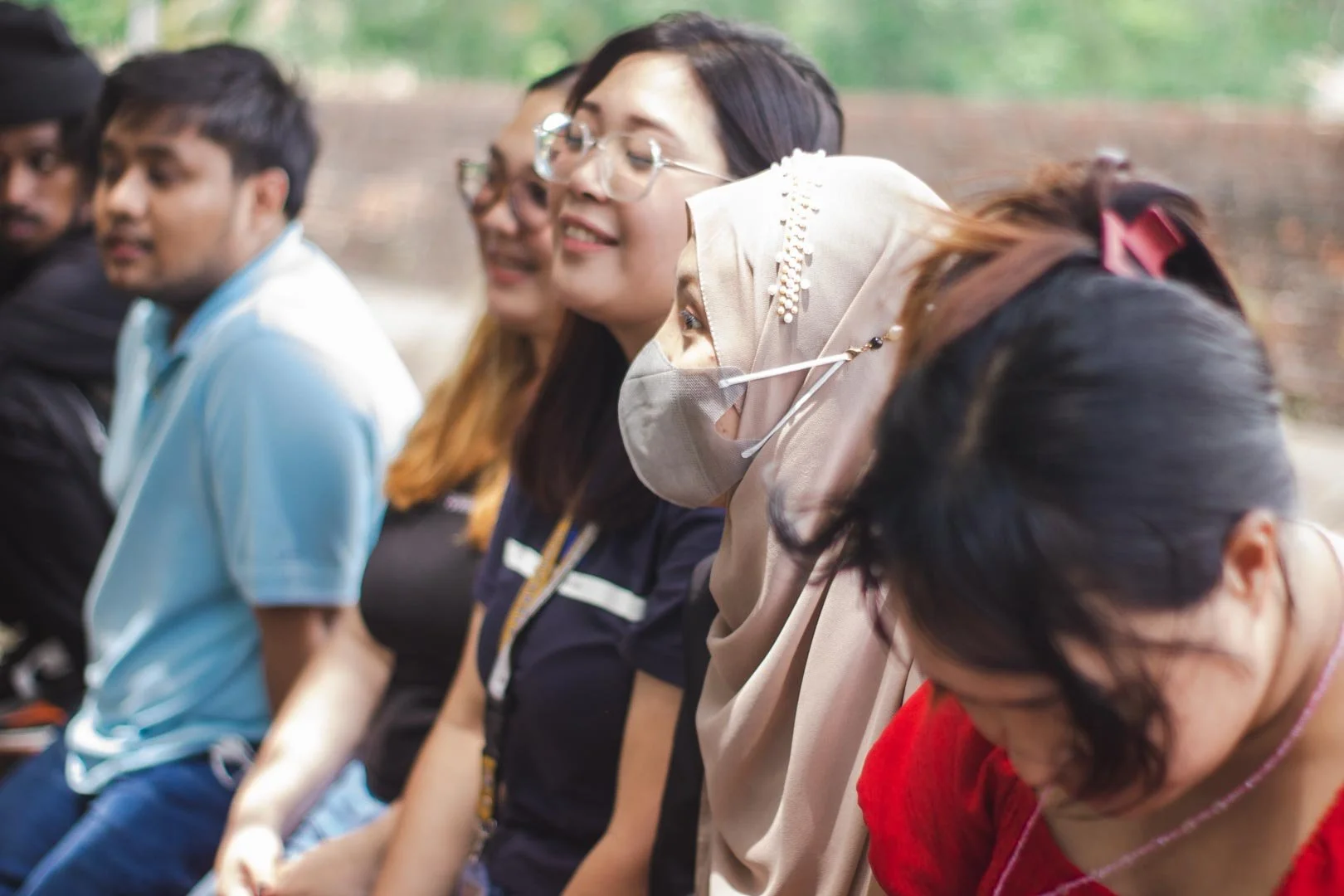
AVP Justice and Peace Basic Workshop with a Special Topic on Trauma and Resilience
Tagaytay City, Philippines
November 22–26, 2025
The Alternatives to Violence Project (AVP) International concluded a five-day Justice and Peace Basic Workshop with a Special Topic on Trauma and Resilience in Tagaytay City from November 22–26, 2025. The activity gathered the management committee of the Philippine Arab Cooperation Council, Inc. (PACCI) and community peace workers for an intensive training focused on nonviolence, trauma awareness, emotional healing, and cooperative leadership.
The workshop sought to equip participants—many of whom work closely with displaced families, refugees, and conflict-affected communities—with practical and trauma-informed knowledge and skills essential to peacebuilding and community support. Using AVP’s experiential and participatory approach, facilitators guided the group through sessions on affirmation, grounding, conflict transformation, effective communication, healing from trauma, and reconnecting with personal and collective resilience.
The program deepened participants’ understanding of trauma-informed peace work and strengthened partnerships rooted in compassion and solidarity. By the final day, participants expressed gratitude for the safe, affirming, and transformative space created throughout the workshop. This workshop reinforced a shared commitment between AVP and PACCI: to cultivate nonviolence, support communities experiencing distress, and build pathways towards peace, healing and justice for refugees and rightsholders.
DAY 1
Affirmation and Resiliency
The opening day introduced the foundational elements of AVP. In Session 1: Affirmation, participants explored their identities, values, and hopes for the workshop. Activities such as Affirming Words, Big Wind Blows, and reflections helped create a safe atmosphere. Participants also discussed “community agreements,” emphasizing confidentiality, compassion, and voluntary participation.
The afternoon focused on Session 2: Resiliency, highlighting the concepts of the Core Self and Good Companions—inner and interpersonal resources that support healing during moments of distress. Storytelling exercises, grounding techniques, and paired reflection helped participants identify sources of strength in their own lives.
DAY 2
Transforming Power and Communication
The opening day introduced the foundational elements of AVP. In Session 1: Affirmation, participants explored their identities, values, and hopes for the workshop. Activities such as Affirming Words, Big Wind Blows, and reflections helped create a safe atmosphere. Participants also discussed “community agreements,” emphasizing confidentiality, compassion, and voluntary participation.
The afternoon focused on Session 2: Resiliency, highlighting the concepts of the Core Self and Good Companions—inner and interpersonal resources that support healing during moments of distress. Storytelling exercises, grounding techniques, and paired reflection helped participants identify sources of strength in their own lives.
DAY 3
Cooperation and Remembering
Session 5: Cooperation featured AVP’s classic “Broken Squares” activity. Participants, unable to speak or gesture, had to cooperate to form five equal squares—an exercise that challenged communication habits, personal tendencies, patience, and group awareness. The debrief explored inclusivity, trust, and the balance of personal strengths within a team.
In the afternoon, Session 6: Remembering introduced the AVP Road Map (Power, Affirmation, Communication, Cooperation, Resilience) and assumptions that guide peaceful cultures, such as valuing diversity, embracing voluntary participation, and learning through experience. Participants then engaged in “Stand on a Line”, a dynamic activity that helped them recognize patterns of overactivity, shutdown, stress, and self-care known as the Zones of Adaptation. Journaling and small-group sharing allowed them to reflect on habits, rest, physical needs, and personal well-being.
An evening resiliency session reinforced grounding, emotional regulation, and the importance of companionship in healing.
DAY 4
Trauma, Stress, and Emotional Processing
Session 7: Resiliency (Trauma) deepened understanding of emotional and physiological responses to distress. Facilitators clarified the difference between stress, distress, and trauma. The session defined trauma as a perceived threat that overwhelms the mind’s ability to adapt—often resulting in freezing or shutting down.
Participants reflected on three ways to counter the onset of trauma:
staying connected to one’s Core Self;
staying in motion or action to avoid freezing;
and seeking companionship rather than facing pain alone.
During the afternoon break, AVP and PACCI visited the Soka Gakkai International (SGI) of the Philippines Grand Cultural Center, enjoying its stunning view of Taal Lake and strengthening prospects for future collaboration.
In Session 8: Remembering (Without Reliving), participants processed past painful experiences using six structured sentences and were guided to focus on physical details rather than emotional reliving, promoting safe reflection and strengthening clarity and self-awareness.
Session 9: Reconnection, which included the “Positive Memorial Sculptures” activity. In small groups, participants formed sculptures to honor people, places, or events they had lost. The reflective exercise encouraged grief acknowledgment, collective memory, and appreciation for resilience.
Participants revisited their journals, identified commitments for self-care, and shared insights on how they would integrate the principles of Transforming Power into both personal life and community work.
The workshop closed with renewed commitments to peace, grounded communication, and trauma-informed service.
Next Steps
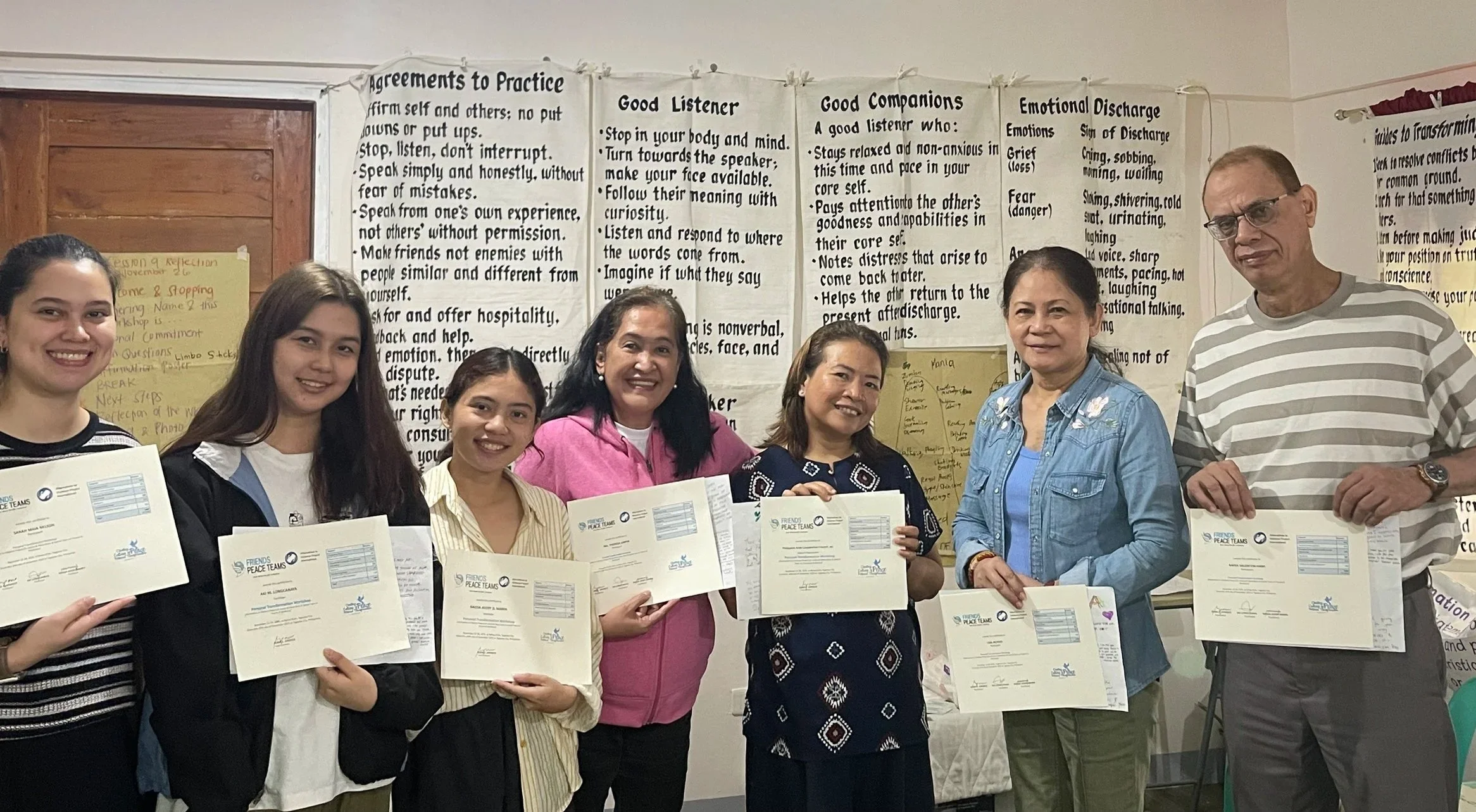
For the last day of the workshop, Session 10: Reflection, a space for participants to review their journals, share key insights, and identify concrete next steps for applying AVP principles in their personal lives and community work in PACCI. The workshop concluded with the awarding of certificates to all PACCI participants followed by a photo opportunity with the AVP facilitators.
Strengthening Trauma-Informed Peacebuilding in the Philippines
Throughout the five-day workshop, AVP emphasized that healing and peacebuilding require both internal resilience and cooperative community support. PACCI participants highlighted how the skills they learned—especially grounding, empathy, trauma processing, and nonviolent communication—would strengthen their work with refugees and rightsholders in the Philippines.